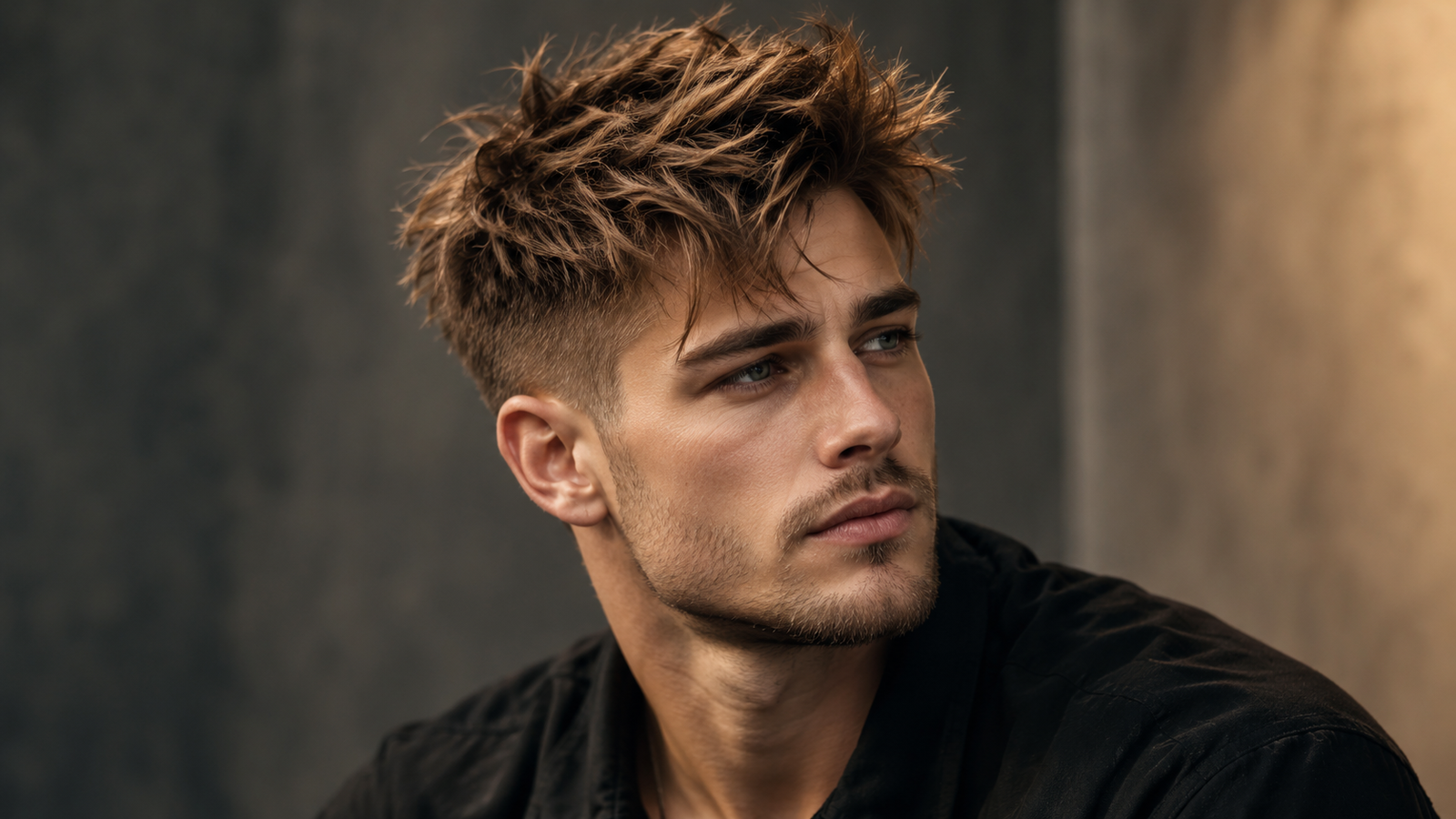



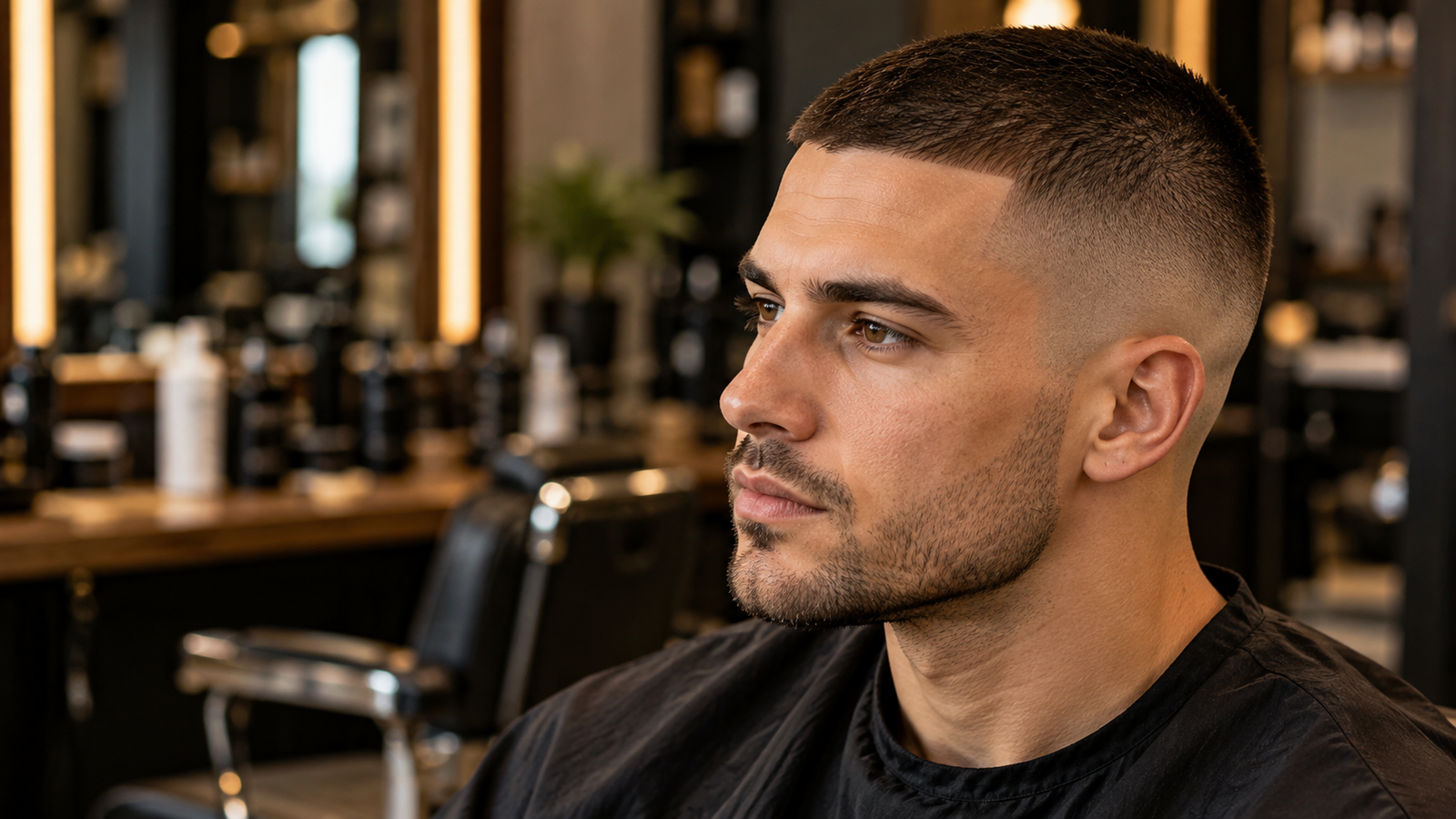
Buzz Cut Fade: Styles, Benefits, Maintenance, and Barber Tips
A buzz cut fade is a modern short hairstyle that combines the simplicity of closely clipped hair with the precision of a gradual fade around the sides and back. Its clean outline, adaptable proportions, and minimal styling requirements have made it a popular choice for people who appreciate a polished appearance without spending considerable time on daily grooming. Although the haircut looks straightforward, its final effect depends on several details, including the length of the top, the height of the fade, the shape of the hairline, and the natural characteristics of the hair.
The style can appear understated and professional or sharp and contemporary, depending on how the barber combines these elements. A subtle low fade creates a restrained silhouette, while a high skin fade introduces stronger contrast. Different clipper lengths also allow the top to retain a little more coverage or become exceptionally short.
Understanding these variations makes it easier to select a haircut that complements individual features, fits a daily routine, and remains attractive as the hair grows. This guide explores the defining characteristics, popular variations, suitability, barber techniques, maintenance requirements, and practical considerations associated with the style.
Buzz Cut Fade at a Glance
| Feature | Description |
|---|---|
| Hairstyle name | Buzz Cut Fade |
| Category | Short clipper haircut |
| Defining feature | Closely cropped top with gradually shorter sides and back |
| Common fade options | Low fade, mid fade, high fade, skin fade, taper fade |
| Typical top lengths | Approximately 3–13 mm, depending on the desired look |
| Hair texture | Straight, wavy, curly, and coily |
| Styling requirements | Minimal or none |
| Maintenance level | Low for daily styling; moderate for preserving the fade |
| Main advantage | Clean appearance with limited styling effort |
| Personalization options | Top length, fade height, neckline, temple shape, and hairline finish |
What Is a Buzz Cut Fade?
A buzz cut fade combines two established barbering techniques. The buzz cut uses electric clippers to create short, controlled hair length, usually across the top of the head. The fade gradually reduces the length of the hair along the sides and back, producing a smooth transition between longer and shorter sections.
The defining feature is the relationship between these areas. Rather than cutting the entire head to one uniform length, the barber preserves a short layer on top and blends the surrounding hair toward the temples, ears, and neckline. The result is a compact hairstyle with a more sculpted outline than a traditional all-over buzz cut.
The precise appearance depends on the chosen proportions. A slightly longer top creates a visible layer of hair and can soften the overall look. A very short top emphasizes the scalp and produces a more minimalist effect. Meanwhile, the fade determines how much contrast appears around the head.
Another important distinction is that a fade does not necessarily mean shaving the sides completely to the skin. Some fades retain a small amount of hair throughout the transition, while others begin with exposed skin at the lowest point.
A well-executed buzz cut fade therefore relies on balance rather than extreme shortness. The barber must create a consistent top length, blend the sides evenly, and finish the edges without making the overall shape appear disconnected.
The Difference Between a Buzz Cut and a Fade
A traditional buzz cut is generally characterized by its short, clipped appearance. When the same clipper guard is used throughout, the top, sides, and back remain approximately uniform in length. This produces a simple, consistent silhouette.
A fade, by contrast, is a blending technique. Hair gradually becomes shorter as it approaches a selected area, often the temples, the area above the ears, or the neckline.
Combining these techniques introduces additional structure. The short top remains easy to manage, while the graduated sides create definition around the head and face.
The distinction also affects maintenance. An even buzz cut may continue to look relatively uniform as it grows. A pronounced fade can lose its original contrast more quickly because new growth becomes visible in the shortest sections. Consequently, someone who wants the sharpest possible outline may need more frequent barber visits than someone choosing a uniform clipper cut.
Popular Types of Buzz Cut Fade
1. Low Fade Buzz Cut
A low fade begins close to the ears and lower neckline. The transition stays relatively low on the head, preserving more of the natural hair coverage around the temples and upper sides.
This variation suits people who want a clean haircut without an especially dramatic contrast. It can complement formal clothing, business-casual outfits, and everyday styles because its proportions remain relatively restrained.
The low fade also offers flexibility in the top length. A short, even crop produces a traditional appearance, while a slightly longer top creates additional visual texture. A natural hairline can keep the result understated, whereas a carefully shaped edge introduces greater definition.
For a first-time fade, this is a sensible option to discuss with a barber, particularly if the wearer prefers a conservative finish.
2. Mid Fade Buzz Cut
The mid fade begins around the middle of the sides, creating a more noticeable transition than a low fade without extending as high as a typical high fade.
Its appeal comes from its balance. The shorter lower sections establish a clean outline, while the remaining hair above the transition preserves the overall shape of the head.
A mid fade works particularly well when the wearer wants a modern appearance that is neither excessively subtle nor strongly aggressive. It can be paired with a number two or number three guard on top, although the ideal length depends on hair density, scalp visibility, and personal preference.
This variation is also versatile enough to accommodate different finishing techniques, including a natural temple, a defined lineup, or a softly tapered neckline.
3. High Fade Buzz Cut
A high fade begins farther up the sides, creating a larger area of closely clipped hair. The transition is positioned closer to the upper sides of the head, making the difference between the top and lower sections more apparent.
This approach creates a bold silhouette and draws attention to the upper head and facial features. It is often chosen by people who prefer a sharper, more contemporary haircut.
The height of the transition matters considerably. If the fade rises too far, it can alter the apparent proportions of the head and leave less visual weight around the temples. A skilled barber considers the natural head shape before determining where the fade should end.
A high fade is particularly effective when the wearer wants a compact hairstyle with a distinct outline and little need for styling products.
4. Skin Fade Buzz Cut
A skin fade gradually blends the hair down to bare skin at the lowest section. The transition may be low, medium, or high, depending on the desired appearance.
This variation produces strong contrast because the shortest area has no visible hair coverage. The upper sections appear more pronounced by comparison, even when the top itself remains very short.
A skin fade requires precision. Abrupt patches, uneven blending, or an inconsistent transition can become especially noticeable when the hair is clipped so closely.
People with sensitive skin should discuss the finishing technique with their barber, particularly if they experience irritation from close shaving. A skin fade is not automatically the best choice for everyone, and a slightly longer fade can deliver a similarly neat appearance with less exposure of the scalp.
5. Taper Fade Buzz Cut
A taper fade concentrates the shortest blending around specific areas, commonly the temples and neckline, rather than fading the entire side section as extensively as some conventional fades.
This produces a more subtle finish while preserving more hair around the upper sides. It is a useful option for anyone who wants a clean outline without the strong contrast of a high or skin fade.
A tapered buzz cut can also grow out gracefully because the transition is relatively restrained. The overall haircut may retain a balanced appearance for longer, although the edges will still become less defined with time.
6. Buzz Cut Fade With a Lineup
A lineup, sometimes called an edge-up, involves carefully defining selected hairline areas. The barber may sharpen the forehead line, temples, or sideburn region to create a more geometric finish.
When paired with a fade, the result looks deliberate and structured. The contrast between the short top, blended sides, and clean edges can make the haircut appear particularly precise.
However, a lineup should complement the natural hairline rather than force it into an unnatural shape. Excessive removal around the temples can make the haircut look too narrow or alter the apparent position of the forehead.
A natural-looking edge is often the better choice for people who prefer a softer appearance or want the haircut to grow out without an obvious change in shape.
7. Textured Buzz Cut Fade
A textured variation retains enough hair on top to reveal differences in length, direction, or natural curl pattern. Instead of creating a completely flat, uniform surface, the barber uses appropriate cutting techniques to preserve subtle movement.
This can be particularly appealing for wavy, curly, and coily hair. Even at short lengths, natural texture can add visual depth and prevent the haircut from appearing completely uniform.
The fade provides contrast around the sides, while the top retains a little individuality. Depending on the length, a small amount of lightweight styling product may enhance definition, although many versions require no product at all.
8. Curly Buzz Cut Fade
A curly version combines closely cropped sides with a short top that retains the natural pattern of the curls. The length can range from a very compact crop to a slightly fuller cut that reveals more texture.
The barber should account for how the curls contract when dry. Hair that appears sufficiently long while wet may sit much closer to the scalp after drying. Cutting without considering this behavior can produce a top that looks shorter than intended.
A carefully blended fade helps frame the curls and create a clear outline. Moisturizing the scalp and avoiding excessive friction can also help maintain comfort between appointments.
9. Military-Inspired Buzz Cut Fade
Military-inspired variations emphasize simplicity, neatness, and a close-fitting silhouette. They may feature a short top, closely cropped sides, and a restrained transition around the ears and neckline.
Not every military-inspired haircut follows the same specifications. A high-and-tight style, for example, can have a more pronounced distinction between the top and sides than a conventional blended fade.
For civilian wear, the appeal often lies in the haircut’s practicality. It needs little styling and can look tidy with relatively straightforward grooming.
The wearer should still specify the desired fade height and top length. The phrase “military cut” can refer to several different shapes, so a precise description is more useful than relying on the label alone.
Choosing the Right Top Length
Clipper guard numbers help communicate the intended length, but the resulting measurement can vary with the clipper model and blade setting. The barber should confirm the approximate length before beginning.
| Clipper guard | Approximate remaining hair length | General appearance |
|---|---|---|
| Number 1 | 3 mm | Very short, with noticeable scalp visibility |
| Number 2 | 6 mm | Close-cropped with slightly more coverage |
| Number 3 | 10 mm | Short but more visibly textured |
| Number 4 | 13 mm | Fuller, with a softer appearance |
These measurements are approximate and should be treated as a starting point rather than a guarantee.
A number one top creates an exceptionally compact look, particularly when paired with a skin fade. A number two provides a little more coverage while retaining the clean character of the haircut. A number three or four can offer additional softness and make the natural texture more apparent.
Hair density is important here. Thick, dark hair may appear fuller at a short guard length than fine or light-colored hair. A person concerned about visible scalp may prefer a longer top or a less aggressive fade.
The most suitable length is the one that produces the intended appearance on the individual, not simply the shortest setting available.
Which Face Shapes Suit the Style?
A short fade can complement many facial structures, but the proportions should be selected thoughtfully.
Oval Faces
Oval faces generally offer flexibility because their proportions can accommodate a range of short hairstyles. Low, mid, and high fades may all work, depending on the desired contrast and top length.
Round Faces
A higher fade with a short top can create a more vertical impression by reducing visual width around the sides. However, an extremely close cut will reveal the natural outline of the head, so the wearer should consider whether that effect is desirable.
Square Faces
Square faces often have pronounced jawlines and relatively angular contours. A low or mid fade can complement these features without adding unnecessary sharpness. A clean lineup may further emphasize the natural geometry of the face.
Long Faces
A high fade combined with an extremely short top can emphasize the vertical proportions of a longer face. A lower fade or slightly fuller top may produce a more balanced result.
These are general styling considerations rather than fixed rules. Facial hair, hairline shape, head proportions, and personal preference can influence the result as much as face shape alone.
Is a Buzz Cut Fade Suitable for Different Hair Types?
One of the strengths of the style is its adaptability across different textures.
Straight hair makes the fade transition easy to inspect because uneven sections and visible blending lines may stand out clearly. A skilled barber can use careful clipper work to produce a smooth, consistent finish.
Wavy hair introduces additional movement, even at short lengths. A little extra length on top can preserve this characteristic without creating a demanding styling routine.
Curly hair can create a fuller-looking surface, particularly when the top retains enough length to reveal the curl pattern. The barber should account for shrinkage and density when choosing the guard.
Coily hair can provide a distinctive, compact texture that contrasts effectively with a well-blended fade. Moisture, scalp comfort, and an appropriate cutting technique are important considerations.
Fine or thinning hair requires particular attention to scalp visibility. A very short top and skin fade may make differences in density more noticeable. A slightly longer top or softer transition may produce a more uniform-looking result, depending on the individual’s pattern of growth.
How to Ask a Barber for the Right Cut
A clear consultation helps prevent misunderstandings. Rather than asking only for a buzz cut, explain the desired proportions and finishing details.
Begin by specifying the top length. For example, you might request a number two guard on top, with the option to leave it slightly longer if needed. Then identify the fade height: low, mid, or high. If you want the sides to reach bare skin, state that you prefer a skin fade.
Next, discuss the hairline. Ask for a natural finish if you do not want the forehead line reshaped, or request a subtle lineup if you prefer more definition. Mention whether you want the neckline tapered or sharply outlined.
A useful request might be: “Please leave the top at a number two, create a low skin fade, blend the sides smoothly, and keep the natural hairline.”
Adjust the wording to match your preferences. A number three top with a mid fade will create a different result from a number one top with a high skin fade.
It is also sensible to discuss scalp visibility, any areas of uneven density, and whether you want the haircut to remain presentable as it grows. A reference photograph can help communicate the desired shape, but the barber should adapt it to your hair and head structure rather than reproduce it without adjustment.
The Barbering Technique Behind a Clean Fade
Although the finished haircut appears simple, producing an even result requires control over clipper length, blending, and head shape.
The barber typically establishes the desired top length first. Consistent clipper passes help prevent visible ridges and uneven patches. The sides are then sectioned according to the intended fade height.
Different clipper guards and lever settings are used to create progressively shorter lengths. The barber blends the boundaries between these sections, gradually softening the transition until distinct lines disappear.
The process requires attention to the natural contours of the head. Hair above the temples may grow in different directions from hair at the back, while the area around the occipital bone can alter how the fade appears from the side.
The final stage involves refining the edges, checking both sides for balance, and inspecting the result under suitable lighting. If the style includes a skin fade, the barber must also decide how close to the skin the lowest section should be cut.
The objective is not simply to make every section extremely short. It is to create a coherent shape in which the top, sides, and back work together.
Daily Maintenance and Scalp Care
One reason people choose this hairstyle is the limited daily styling it requires. There is generally no need for elaborate blow-drying, repeated combing, or strong-hold products.
Nevertheless, short hair does not eliminate the need for basic grooming.
Keep the Scalp Clean
Wash the scalp regularly with a suitable shampoo, adjusting the frequency according to perspiration, oiliness, and individual needs. Rinse thoroughly to remove residue and avoid using harsh products that leave the skin feeling uncomfortable.
Use Moisturizer When Needed
The scalp may become dry or irritated, particularly after an exceptionally close cut. A lightweight, non-irritating moisturizer can help maintain comfort. Avoid applying excessive amounts of heavy products that may leave an unwanted residue.
Protect Exposed Skin From Sunlight
Short hair provides less coverage than longer styles. When spending extended periods outdoors, use suitable broad-spectrum sunscreen on exposed scalp areas and follow its application instructions. A hat can provide additional physical protection.
Avoid Excessive Trimming
Repeatedly using clippers or razors without a clear plan can irritate the scalp and make the hairline uneven. If you maintain the haircut at home, use clean equipment and make small, controlled adjustments.
Keep Tools Clean
Hair clippers, guards, and grooming accessories should be cleaned according to the manufacturer’s instructions. Clean tools support good grooming practices and help reduce the transfer of dirt and product residue.
How Often Should You Refresh the Fade?
The ideal maintenance interval depends on the fade height, hair growth, and how precise you want the haircut to look.
A low fade with a slightly longer top may remain visually balanced for several weeks. A high skin fade can lose its sharp contrast sooner because even modest regrowth becomes noticeable in the shortest areas.
Many people schedule a refresh every two to four weeks, although individual needs vary. Some prefer more frequent appointments for a consistently crisp finish, while others allow the haircut to grow naturally for longer.
Between appointments, the top may need little attention. The sides and neckline, however, gradually soften as the hair grows. This is a normal part of the process and does not necessarily mean the original haircut was poorly executed.
If you maintain your own haircut, avoid raising the fade each time you trim it. Repeatedly moving the transition upward can change the proportions and leave the sides much shorter than intended. Keeping a record of the original guard lengths and fade height can help maintain consistency.
Common Mistakes to Avoid
Choosing a Fade That Is Too High
A high fade creates strong contrast, but it can look different from the reference image when adapted to a particular head shape. Discuss the transition height before cutting begins.
Making the Top Too Short
A very short top may expose more scalp than expected, especially under bright lighting. Starting with a slightly longer guard gives the barber an opportunity to assess the appearance before removing additional length.
Ignoring Natural Hair Growth
Hairline irregularities, cowlicks, and changes in density affect how a short haircut sits. A good barber works with these characteristics rather than attempting to force every area into an identical shape.
Over-Shaping the Hairline
An excessively sharp lineup may look unnatural if it changes the original forehead or temple outline too much. Ask for a conservative finish if you want a natural appearance.
Neglecting Scalp Protection
Because the hair is short, the scalp can receive more direct sunlight than it would under a longer style. Basic sun protection is an important part of maintaining comfort and skin health.
Expecting Every Fade to Grow Out Identically
Different fade heights and hair textures change how regrowth appears. A skin fade will generally reveal growth more clearly than a softer taper. Choose the style with both its fresh appearance and its growing-out phase in mind.
Is the Style Practical for Work and Everyday Life?
A major advantage of the buzz cut fade is its versatility. The haircut can look neat in a professional environment, relaxed in casual settings, and appropriate for athletic activities.
Its minimal styling requirements can be particularly useful for people with busy schedules, frequent travel, or a preference for uncomplicated grooming. It also avoids many of the challenges associated with longer hairstyles, such as daily shaping and managing loose strands.
However, low styling effort should not be confused with zero maintenance. The outline gradually changes as hair grows, and people who value a crisp fade may need regular appointments.
The style is also highly visible in its proportions. Because there is relatively little hair to conceal the scalp or alter the outline of the head, the choice of fade height and top length matters. A thoughtful consultation is therefore more valuable than simply requesting the shortest possible haircut.
The Role of Personal Style and Individual Preference
The appeal of this haircut extends beyond convenience. Its compact shape can communicate restraint, precision, athletic practicality, or a more fashion-conscious approach, depending on the way it is finished.
A natural low fade creates a quiet, understated impression. A high skin fade with a defined lineup looks more deliberate and graphic. A textured top introduces subtle individuality, while a uniform short crop emphasizes simplicity.
The style is not restricted to one age group, profession, or gender. Anyone considering it can adapt the proportions to their own preferences and circumstances.
The most successful result is not necessarily the most dramatic one. A balanced cut that complements the person’s natural features and fits their routine will often be more satisfying than a trend-driven variation that demands more maintenance than expected.
Frequently Asked Questions
1. What is a buzz cut fade?
A buzz cut fade is a short hairstyle that combines closely clipped hair on top with sides and back that gradually become shorter. The fade can be low, medium, high, or blended down to the skin.
2. Is a buzz cut fade easy to maintain?
Yes. Daily styling is generally minimal because the hair remains short. Maintaining a sharp fade requires periodic trimming, with the frequency depending on the chosen style and how quickly the hair grows.
3. Which fade looks best with a buzz cut?
There is no single best option for everyone. A low fade provides a subtle appearance, a mid fade offers balanced contrast, and a high fade creates a more dramatic outline. A barber can help determine which proportion suits your features.
4. What guard number should I choose for the top?
Numbers two and three are useful starting points for people who want a clearly short cut without removing too much length. A number one produces a closer crop, while a number four retains more coverage. Actual results can vary by clipper.
5. Can people with curly hair get this haircut?
Yes. Curly hair can work well with a short top and faded sides. The barber should account for curl shrinkage, density, and the natural pattern of growth when choosing the top length.
6. Is a skin fade the same as a zero fade?
The terms are sometimes used interchangeably, but their precise meanings can vary between barbers. A skin fade generally describes a transition that reaches bare skin. A zero setting may still leave very short stubble, depending on the tool and technique.
7. How long does a fresh fade stay sharp?
The crisp appearance often lasts around one to two weeks, depending on hair growth and the degree of contrast. The haircut can remain wearable for longer, but the transition becomes less distinct as the hair grows.
8. Does a buzz cut fade work for thinning hair?
It can, but the best result depends on the pattern of thinning and how much scalp visibility the wearer is comfortable with. A slightly longer top or softer fade may create a more balanced appearance in some cases.
9. Can I give myself this haircut at home?
Home clippers can maintain a simple short crop, but blending a fade evenly requires practice. Beginners should start with longer guards, work gradually, and avoid making the fade higher with every pass. A professional barber is usually the safer option for a precise first cut.
10. Does this haircut require styling products?
Most versions do not require styling products. If the top retains enough length to show texture, a small amount of lightweight product may help define it. The choice is optional rather than essential.
11. Is the haircut suitable for a professional setting?
A neatly maintained version can suit many professional environments. A conservative fade, natural hairline, and balanced top length generally create a restrained appearance. Workplace grooming expectations may differ, so individual circumstances should be considered.
12. Can I combine a beard with this hairstyle?
Yes. A short beard can complement the clean outline of the haircut, especially when the sideburns and beard edges are blended carefully. The barber can coordinate the fade with the beard’s natural density and shape.
13. Does a buzz cut fade make hair grow faster?
No. Cutting hair does not accelerate its growth rate or change the follicle beneath the skin. The haircut can make regrowth easier to notice because the hair is short and the fade creates a visible contrast.
14. What should I tell my barber if I want a natural look?
Specify a low or subtle mid fade, a top length that retains some coverage, and a natural hairline rather than an aggressively squared edge. Explain how much scalp visibility you prefer and ask the barber to preserve the overall balance.
15. Is a buzz cut fade suitable in hot weather?
Its short length can feel convenient in warm conditions and makes washing and drying straightforward. However, it does not eliminate perspiration, and the exposed scalp may require additional protection from direct sunlight.
16. Can women wear this hairstyle?
Yes. Short clipper cuts and faded styles can be adapted to anyone’s preferred appearance. The top length, fade placement, and edge treatment can be customized without treating the haircut as exclusive to one gender.
17. What is the difference between a taper and a full fade?
A taper usually concentrates the shortening around the temples and neckline, leaving more of the side hair intact. A full fade generally creates a more extensive gradient along the sides and back.
18. What is the best way to maintain the haircut between barber visits?
Keep the scalp clean, use sunscreen on exposed areas, and avoid making unnecessary adjustments to the fade. If you trim at home, use clean tools and preserve the original transition height rather than repeatedly moving it upward.
Choosing a Version That Fits Your Routine
Before booking a haircut, consider three practical questions: how much contrast you want, how short you are comfortable cutting the top, and how often you are willing to visit a barber.
A low fade with a number three top offers a relatively restrained starting point. A number two top with a mid fade produces a more defined silhouette. A number one top with a high skin fade creates a substantially closer and more striking appearance.
These combinations are examples rather than universal prescriptions. Hair density, head shape, scalp sensitivity, and the natural hairline can change how each version looks in practice.
For the most reliable result, communicate your priorities clearly and allow the barber to recommend adjustments where necessary. The goal is a haircut that looks good immediately after the appointment and remains comfortable and manageable as it grows.
Read more:https://articlebytes.co.uk/r9-haircut/