


Dell Latitude Guide: Enterprise Power, Security & Build
Enterprise Architectural Standards and the Evolution of Modern Business Computing
Modern corporate infrastructure relies heavily on specialized endpoints designed to balance compute density, physical resilience, and multi-layered hardware security. Within enterprise ecosystems, digital asset management and remote workflow orchestration require dedicated hardware capable of executing heavy operational tasks without compromising data integrity. The enterprise mobile workstation sector has evolved dramatically from utilitarian portable computers into sleek, highly secure units engineered for round-the-clock commercial deployment.
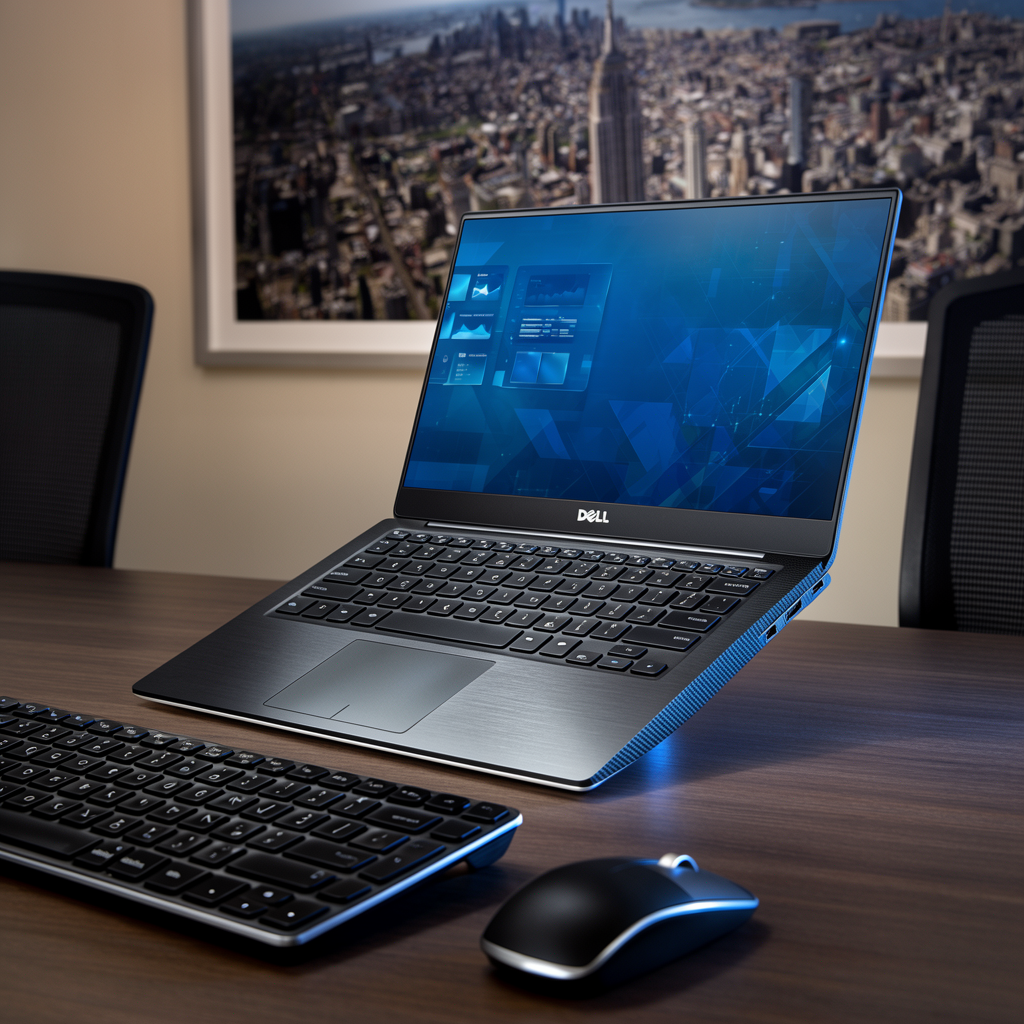
A core component of global corporate fleet deployment is the dell latitude lineup, which has long established the benchmarks for fleet manageability, standardized hardware lifecycles, and structural durability. Built specifically for enterprise IT environments, government institutions, and large-scale commercial organizations, these systems prioritize system telemetry, remote out-of-band management, and standardized hardware components over consumer-centric cosmetic trends. Understanding the engineering parameters, architectural tiers, and deployment ecosystems of this flagship series provides clear insight into why corporate hardware decisions directly influence overall institutional productivity.
Historical Engineering Milestones and Core Design Philosophy
The emergence of enterprise-dedicated portable computing in the mid-1990s responded directly to the expanding demands of mobile executives, field technicians, and IT managers. Early portable platforms were frequently plagued by inconsistent structural components, proprietary component revisions, and minimal physical security integration. The introduction of dedicated business systems systematically addressed these friction points by implementing unified chassis platforms, modular internal components, and extended lifecycle supply chains.
Over successive hardware generations, the dell latitude engineering philosophy centered on three core principles: total cost of ownership reduction, rigorous environmental durability, and seamless IT manageability. Unlike consumer platforms, which undergo frequent visual re-designs that break accessory compatibility, commercial-grade systems maintain physical structural stability across hardware revisions. This continuity guarantees that peripheral investments—such as docking stations, external displays, and custom mounting solutions—remain functional across multi-year enterprise procurement cycles.
+---------------------------------------------------------------------------------------------------------+
|                                HISTORICAL MILESTONE ARCHITECTURE MATRIX                                 |
+---------------------+-----------------------------------+-----------------------------------------------+
| Era                 | Key Structural Innovation         | Primary Enterprise Impact                     |
+---------------------+-----------------------------------+-----------------------------------------------+
| Mid-to-Late 1990s   | Modular Bay Systems & Unified Dock | Standardized desk expansion across IT fleets  |
| Early 2000s (D-Series)| Magnesium Alloy Internal Framing  | Reduced flex and drop-induced board failures |
| Early 2010s (E-Series)| Tri-Metal Chassis & ExpressCharge | High-speed battery charging and road toxicity  |
| Mid 2010s to Present| Carbon Fiber & Recycled Polymers | Sustainable lightweight structural strength   |
+---------------------+-----------------------------------+-----------------------------------------------+
The architectural transition from heavy plastic frames to high-tensile magnesium alloy chassis and reclaimed carbon fiber composites transformed mobile reliability. Structural integrity testing was elevated to meet rigorous military-grade environmental standards, ensuring resistance to shock, vibration, thermal extremes, and humidity. These design paradigms ensured that portable computing devices could operate consistently within harsh field deployments and demanding corporate environments alike.
Comprehensive Classification: Structural Tiers and Form Factors
To accommodate varied corporate roles—ranging from executive leadership to remote data collection—commercial mobile computing platforms are categorized into distinct hardware tiers. Each series addresses targeted balances of weight, performance density, thermal envelope, and expansion capability.
+------------------------------------------------------------------------------------------------------------------------+
|                                    COMMERCIAL HARDWARE CLASSIFICATION & PROFILE METRICS                                |
+------------------+-----------------------+-------------------------+---------------------------------------------------+
| Series Hierarchy | Primary Target Role   | Chassis Construction    | Key Operational Characteristics                   |
+------------------+-----------------------+-------------------------+---------------------------------------------------+
| 3000 Series      | Entry Fleet / Education| Reinforced Polymer      | Essential connectivity, budget fleet scaling      |
| 5000 Series      | Mainstream Corporate  | Recycled Carbon Fiber   | Tool-free serviceability, balanced port density   |
| 7000 Series      | Premium / Executive   | CNC Aluminum / Carbon   | Ultralight form factor, high-brightness displays  |
| 9000 Series      | Ultra-Executive Tier  | Machined Aluminum Body  | Haptic touchpads, ultra-long thermal envelopes    |
| Rugged Series    | Field / Extreme Ops   | Shock-Absorbing Elastomer| IP-rated dust/water seal, hot-swap battery bays   |
+------------------+-----------------------+-------------------------+---------------------------------------------------+
Mainstream Corporate Fleets: The 5000 Hierarchy
The backbone of broad enterprise deployment resides in mainstream mid-tier systems. A representative example in this space is the dell latitude 5430, a 14-inch platform engineered to balance computational throughput, high battery endurance, and complete port accessibility. Mainstream systems prioritize serviceability; components such as solid-state drives, wireless networking cards, memory modules, and battery units can be accessed and replaced using standard tools. This modular access minimizes maintenance downtime and dramatically lowers long-term support overhead for corporate IT departments.
Executive and Ultraportable Platforms: The 7000 and 9000 Tiers
For traveling executives and mobile professionals who require minimal mass without compromising compute performance, higher-tier series employ premium materials like CNC-machined aluminum and multi-layered carbon fiber weaves. These devices compress high-performance multi-core processors into sub-15-millimeter profiles while retaining rigid chassis structures that prevent display flex and mainboard flexing. Displays in this tier routinely feature ultra-low-power panels capable of reaching up to 1,000 nits of brightness, allowing outdoor usability alongside privacy filters that restrict side-angle viewing.
Extreme Field Environments: The Rugged Series
Certain operational domains—such as military logistics, civil engineering, manufacturing plants, and emergency first response—demand physical protection far exceeding standard office requirements. Specialized rugged configurations feature shock-absorbing corner bumpers, sealed port doors, resistive touchscreens usable while wearing heavy gloves, and active thermal dissipators certified against ingress from water, dust, and corrosive vapors. Dual hot-swappable battery systems permit continuous operation across multi-shift field assignments without requiring system shutdowns.
Hardware Architecture: Processors, Memory, and Thermal Management
The internal engineering of modern enterprise laptops balances raw computational power against thermal constraints and power consumption curves. Modern platforms integrate high-efficiency multi-core processors featuring hybrid core architectures, pairing high-performance execution cores with high-efficiency cores to optimize workload distribution dynamically.
           +-----------------------------------------------------------------------+
           |                      SYSTEM ARCHITECTURE FLOW MAP                      |
           +-----------------------------------------------------------------------+
                                              |
                                              v
           +-----------------------------------------------------------------------+
           |                      CENTRAL PROCESSING UNIT                          |
           |             (Performance Cores + Efficiency Cores)                    |
           +-----------------------------------------------------------------------+
                                    /                   \
                                   /                     \
                                  v                       v
           +-------------------------------+     +---------------------------------+
           |     NEURAL PROCESSING UNIT    |     |    INTEGRATED GRAPHICS ENGINE   |
           |   (AI / Telemetry Offload)    |     |    (Display & Render Pipeline)  |
           +-------------------------------+     +---------------------------------+
                                  \                       /
                                   \                     /
                                    v                   v
           +-----------------------------------------------------------------------+
           |                    HIGH-SPEED MEMORY BUS (DDR5/LPDDR5x)               |
           +-----------------------------------------------------------------------+
                                              |
                                              v
           +-----------------------------------------------------------------------+
           |                 NVMe PCIe GEN4 RECOVERABLE STORAGE ARRAY              |
           +-----------------------------------------------------------------------+
Processing Pipelines and Neural Acceleration
Recent generations of the dell latitude portfolio incorporate advanced system-on-chip architectures equipped with integrated Neural Processing Units. These dedicated processing cores offload continuous background computational tasks—such as hardware-level noise cancellation, real-time video background framing, adaptive power management, and real-time threat analysis—away from the main central processor and graphics engine. This separation reduces total package wattage, preventing thermal throttling during prolonged high-load operations.
Memory Configurations and High-Speed Storage Interfaces
Enterprise software platforms, specialized database clients, and virtualized sandbox environments mandate high-speed memory subsystems with low latency. Systems utilize high-density DDR5 or low-power LPDDR5x memory modules operating at high clock frequencies. While ultraportable designs frequently employ soldered memory to achieve minimal thickness, mainstream chassis retain modular SO-DIMM slots for post-deployment memory expansion.
Storage performance is provided by non-volatile memory express solid-state drives operating on high-bandwidth Peripheral Component Interconnect Express interfaces. Data integrity is maintained through hardware-level drive encryption, self-encrypting drive protocols, and active drop sensors that automatically park write heads or lock memory addresses to protect data structures during unexpected physical shocks.
Advanced Thermal Dissipation Systems
To maintain peak clock frequencies within ultra-thin chassis profiles, specialized thermal dissipation mechanics are required. Advanced liquid-crystal polymer fan assemblies with high blade densities are paired with ultra-thin copper heat pipes and dual opposite-outlet venting systems. System firmware continually reads inputs from multiple localized thermal sensors, adjusting fan curves dynamically to match real-time workload heat production while keeping surface temperatures within ergonomic thresholds.
Deep Hardware Security, Telemetry, and Fleet Management
Security in an enterprise context must extend deep below the operating system layer. Modern cyber threats frequently target vulnerable system firmware, low-level boot loaders, and hardware buses before software-based security agents can initialize.
+--------------------------------------------------------------------------------------------------------+
|                                MULTI-LAYER HARDWARE SECURITY ARCHITECTURE                              |
+---------------------+----------------------------------------------------------------------------------+
| Layer               | Security Technologies & Protocols                                                |
+---------------------+----------------------------------------------------------------------------------+
| Application / OS    | Windows Hello Biometrics, Virtualization-Based Security (VBS), Credential Guard  |
| Platform / Firmware | SafeBIOS Verification, Off-Host BIOS Snapshot, Dynamic Tamper Detection          |
| Silicon / Hardware  | TPM 2.0 Discrete Chip, Contacted/Contactless Smart Card, SafeID Fingerprint Core |
| Physical Layer      | Wedge Lock Slot, Chassis Intrusion Switches, Physical Camera Shutter Control     |
+---------------------+----------------------------------------------------------------------------------+
Root-of-Trust Hardware and Authentication Systems
Every enterprise-ready dell latitude endpoint embeds a dedicated Trusted Platform Module microchip that generates and stores cryptographic keys isolated from the primary operating system environment. Advanced authentication suites integrate multi-factor verification systems directly into the hardware chassis:
- FIPS 201-Compliant Smart Card Readers: Contacted and contactless smart card readers allow physical token access in secure government and corporate environments.
- Match-on-Chip Fingerprint Scanners: Biometric fingerprints are captured, encrypted, and processed entirely inside an isolated secure processor core, preventing biometric data from entering system memory.
- Infrared Facial Recognition Cameras: Dual-sensor webcam arrays work with depth perception algorithms to prevent spoofing using high-resolution photographs or video playback.
- ControlVault Credentials Isolation: Sensitive security credentials bypass general system RAM entirely, processing authentication routines inside dedicated security microcontrollers.
Firmware Protection and Off-Host Integrity Verification
Operating systems rely on the integrity of underlying system firmware. If the Basic Input/Output System or Unified Extensible Firmware Interface is corrupted or altered, software controls become ineffective. Platform protection suites capture system firmware hashes upon boot up, comparing them against cloud-verified reference baselines. If firmware tampering or corruption occurs, the hardware automatically isolates the corrupted BIOS image and restores a verified clean backup from an isolated hardware partition.
Remote Out-of-Band Fleet Administration
For global enterprise organizations managing tens of thousands of remote endpoints, physical access for IT maintenance is inefficient. Through hardware-level out-of-band management platforms, sysadmins can remotely power on, update, diagnose, and securely wipe lost or stolen machines—even if the host operating system is corrupted or turned off. This capability relies on direct silicon-level networking interfaces that bypass host software drivers, enabling secure enterprise recovery options worldwide.
Technical Specifications Matrix Across Product Families
The following technical reference matrix summarizes representative operational parameters across primary commercial workstation tiers:
+----------------------------------------------------------------------------------------------------------------------+
|                                    ENTERPRISE TECHNICAL SPECIFICATION COMPARISON                             |
+-----------------------+-----------------------------+-----------------------------+----------------------------------+
| Technical Feature     | Mainstream 5000 Series      | Premium 7000 Series         | Executive 9000 Series            |
+-----------------------+-----------------------------+-----------------------------+----------------------------------+
| Primary Materials     | Recycled Carbon Fiber/Resin | CNC Machined Aluminum       | Ultra-Refined CNC Aluminum       |
| Display Sizes Available| 13.3", 14.0", 15.6"          | 13.3", 14.0", 16.0"         | 14.0" (16:10 Aspect Ratio)       |
| Maximum Panel Resolution| Full HD+ (1920x1200) IPS    | QHD+ / 4K Touch Options     | QHD+ Ultra-Low Power Touch       |
| Memory Architecture   | Dual-Slot DDR5 / Soldered   | Soldered LPDDR5x Dual-Chan  | Soldered High-Speed LPDDR5x      |
| Maximum Storage      | Up to 2TB PCIe Gen4 SSD     | Up to 2TB PCIe Gen4 SSD     | Up to 2TB PCIe Gen4 SSD          |
| Battery Configuration | 42Wh to 63Wh ExpressCharge  | 57Wh to 74Wh ExpressCharge  | 60Wh+ Extended Life Battery      |
| Biometrics Options    | Fingerprint / IR Camera     | Smart Card / IR / Biometric | Zero-Touch Proximity Sensor / IR |
| Weight Class          | 1.36 kg – 1.59 kg           | 1.12 kg – 1.33 kg           | 1.05 kg – 1.25 kg                |
+-----------------------+-----------------------------+-----------------------------+----------------------------------+
Fleet Management Tools, Software Integrations, and Information Workflows
Hardware performance is closely linked to the administrative software ecosystem supporting day-to-day corporate operations. Managing hardware lifecycles efficiently requires automated deployment routines, central policy enforcement, and stream-lined note-taking and documentation workflows.
+---------------------------------------------------------------------------------------------------------+
|                                      ENTERPRISE WORKFLOW PIPELINE                                       |
+--------------------+-----------------------------------+------------------------------------------------+
| Administrative Stage| Primary Operational Tool          | Functional Objective                           |
+--------------------+-----------------------------------+------------------------------------------------+
| Hardware Staging   | Autopilot / Imaging Frameworks    | Zero-touch initial operating system deployment |
| Fleet Diagnostics  | Command Suite / Telemetry Engines | Predictive failure alerts for battery/SSD hubs |
| Operations & Notes | Cloud Notebooks like snapjotz com | Centralized team knowledge & technical logging |
| Lifecycle End      | Secure Wipe & Managed Recycling   | Cryptographic sanitization & ESG Compliance    |
+--------------------+-----------------------------------+------------------------------------------------+
Corporate deployments routinely utilize specialized administrative suites—such as system command utilities—to push firmware updates silently, configure BIOS settings remotely, and monitor overall hardware health parameters.
For technical documentation, project mapping, and administrative record-keeping, modern teams often rely on cloud-based note-taking platforms like snapjotz com. Utilizing central organization suites allows IT managers and project leads to document deployment configurations, store hardware audit trails, log firmware change records, and collaborate on infrastructure updates seamlessly alongside their hardware management workflows.
NewsSpoty
Environmental Sustainability and Circular Engineering Practices
Modern enterprise procurement guidelines increasingly mandate strict Environmental, Social, and Governance compliance from hardware vendors. Commercial laptop production has adapted by integrating circular manufacturing methodologies aimed at minimizing virgin resource extraction and reducing carbon footprints.
+--------------------------------------------------------------------------------------------------------+
|                                SUSTAINABILITY & RECYCLED MATERIALS PROFILE                             |
+---------------------+---------------------------------------+------------------------------------------+
| Subsystem Component | Sustainable Material Origin           | Environmental Benefit                    |
+---------------------+---------------------------------------+------------------------------------------+
| Chassis Cover       | Post-Industrial Recycled Carbon Fiber | Reduces structural waste landfilling     |
| Battery Housing     | Ocean-Bound Plastics (OBP)            | Prevents marine waterway pollution       |
| Speaker Enclosures  | Post-Consumer Recycled (PCR) Plastics | Reclaims commercial waste polymers       |
| Packaging Assembly  | 100% Recycled / Bio-Based Materials   | Eliminates single-use expanded foam      |
+---------------------+---------------------------------------+------------------------------------------+
Material Sourcing and Circular Manufacturing
Recent generations of commercial systems incorporate high percentages of post-consumer recycled plastics, closed-loop aluminum, and reclaimed carbon fibers sourced from aerospace manufacturing byproducts. Battery housings frequently utilize ocean-bound plastics diverted from coastal environments, while battery cells incorporate recycled cobalt compounds.
Energy Efficiency and Extended Lifecycle Design
System components are engineered to comply with strict International Energy Star and EPEAT Gold certifications. Beyond power efficiency, sustainability is extended through physical repairability. Providing open access to maintenance manuals, standardized fastener sizes, and readily available modular replacement parts allows corporate technicians to repair systems easily, extending operational service lives to five years or more and reducing electronic waste.
Procurement Evaluation Framework: Selecting the Right Fleet Solution
Selecting the optimal hardware configuration requires evaluating multiple operational metrics across specific organizational job functions. Purchasing incorrect tiers leads either to operational bottlenecks or unnecessary capital expenditure.
           +-----------------------------------------------------------------------+
           |                   PROCUREMENT SELECTION DECISION TREE                 |
           +-----------------------------------------------------------------------+
                                              |
                                              v
           +-----------------------------------------------------------------------+
           |                EVALUATE PRIMARY USER WORKLOAD ROLE                    |
           +-----------------------------------------------------------------------+
                                    /         |         \
                                   /          |          \
                                  v           v           v
           +----------------------+   +---------------+   +------------------------+
           |  FIELD TECHNICIAN /  |   | GENERAL OFFICE|   |  TRAVELING EXECUTIVE / |
           | RUGGED ENVIRONMENTS  |   |  STAFF / ADMIN|   |  HIGH-MOBILITY USER    |
           +----------------------+   +---------------+   +------------------------+
                      |                       |                       |
                      v                       v                       v
           +----------------------+   +---------------+   +------------------------+
           | SPECIFY: Rugged Tier |   | SPECIFY: 5000 |   | SPECIFY: 7000 / 9000   |
           | IP-Rated Waterproof  |   | Core Ultra 5  |   | Ultra-Thin Chassis     |
           | Hot-Swap Batteries   |   | 16GB RAM      |   | High-Nit Display       |
           | Sunlight Readable    |   | Modular Bays  |   | WWAN 5G Connectivity   |
           +----------------------+   +---------------+   +------------------------+
Screen Real Estate vs. Portability Dimensions
- 13.3-Inch Form Factors: Best suited for high-frequency business travelers working in constrained environments like aircraft tray tables.
- 14.0-Inch Form Factors: The industry standard for corporate deployment. Balances readable screen area, full-sized keyboard pitch, thermal headroom, and manageable weight.
- 15.6 to 16.0-Inch Form Factors: Designed for data analysts, financial accountants, and software developers who require side-by-side window multitasking or dedicated numeric keypads.
Memory and Processor Selection Matrix
- Standard Administrative Workloads: Quad-core or 10-core processing configurations paired with 16GB of system memory easily handle office productivity suites, web browsing, and video conferencing calls simultaneously.
- Advanced Multi-Tasking & Local Virtualization: High-tier 12-core or 16-core processors with 32GB to 64GB of RAM are necessary for running local containerized development environments, complex spreadsheet models, or real-time data analysis.
Dell Latitude Enterprise Biography and Lineup Specifications
+----------------------------------------------------------------------------------------------------------------------+
|                                     ENTERPRISE LINEUP BIOGRAPHY AND TECHNICAL DATA                                   |
+-----------------------------------+----------------------------------------------------------------------------------+
| Attribute                         | Enterprise Lineup Profile                                                        |
+-----------------------------------+----------------------------------------------------------------------------------+
| Commercial Name                   | dell latitude                                                                    |
| Original Industry Debut           | 1994                                                                             |
| Primary Hardware Class            | Business-Class Laptops, 2-in-1 Convertibles, Rugged Portable Systems             |
| Target Deployment Market          | Enterprise IT Fleets, Government Agencies, Education, Healthcare, Defense        |
| Key Engineering Focus             | Fleet Manageability, Structural Durability, Multi-Layered Hardware Security      |
| Primary Competitors               | Lenovo ThinkPad Series, HP EliteBook Series                                      |
| Standard Chassis Materials        | Magnesium Alloy, CNC Aluminum, Post-Industrial Carbon Fiber                      |
| Security Chipset Integration      | Discrete TPM 2.0, FIPS 201 Smart Card, ControlVault 3, SafeBIOS                  |
| Administrative Telemetry          | Intel vPro Enterprise, Client Command Suite, Workspace ONE Integration           |
| Environmental Certifications      | ENERGY STAR, EPEAT Gold, TCO Certified Edge                                      |
| Notable Form Factors              | 13.3-inch, 14.0-inch, 15.6-inch, 16.0-inch, Detachable 2-in-1, Rugged Extreme      |
+-----------------------------------+----------------------------------------------------------------------------------+
Technical Knowledge Base and Frequently Asked Questions
How does the dell latitude series differ structurally from consumer laptop lines?
Commercial business series are designed around strict operational continuity, standardized component supply chains, and extended system lifecycles. While consumer-oriented systems prioritize cosmetic trends, ultra-thin bezels, and frequent port changes, enterprise-class hardware emphasizes physical structural strength, military-grade durability testing, tool-free access to internal components, and out-of-band remote management tools essential for enterprise IT departments.
What is the operational purpose of Intel vPro integration in business platforms?
Intel vPro is a hardware-based platform that enables remote, out-of-band management of computing endpoints. It allows network administrators to access, diagnose, update, and repair machines over a secure network connection, even if the target laptop is powered off, disconnected from the host operating system, or experiencing a hard drive crash.
Can components like memory and storage be upgraded post-purchase?
Component upgradeability depends on the selected chassis series. Mainstream configurations—such as the dell latitude 5000 family—generally feature upgradeable SO-DIMM memory modules and standard M.2 NVMe solid-state drive slots accessible by removing the bottom panel. Conversely, ultra-slim platforms—such as specific 7000 and 9000 series configurations—frequently utilize memory soldered directly to the motherboard to maintain thin chassis profiles, though storage drives generally remain field-replaceable.
Why is a discrete TPM 2.0 module necessary for business endpoints?
A discrete Trusted Platform Module is an isolated hardware microchip dedicated to securing cryptographic keys, platform certificates, and system access credentials. By processing encryption keys in hardware isolated from general system RAM, TPM 2.0 prevents credential theft, unauthorized operating system boot sequences, and offline drive tampering via software security mechanisms like full-disk encryption.
What advantages do recycled carbon fiber materials provide in modern laptop chassis design?
Integrating post-industrial carbon fiber into chassis covers provides high structural rigidity and tensile strength while significantly reducing overall device weight compared to standard plastics or metals. Additionally, utilizing reclaimed carbon fiber scraps from aerospace manufacturing processes lowers overall manufacturing carbon footprints and prevents durable industrial waste from ending up in landfills.