



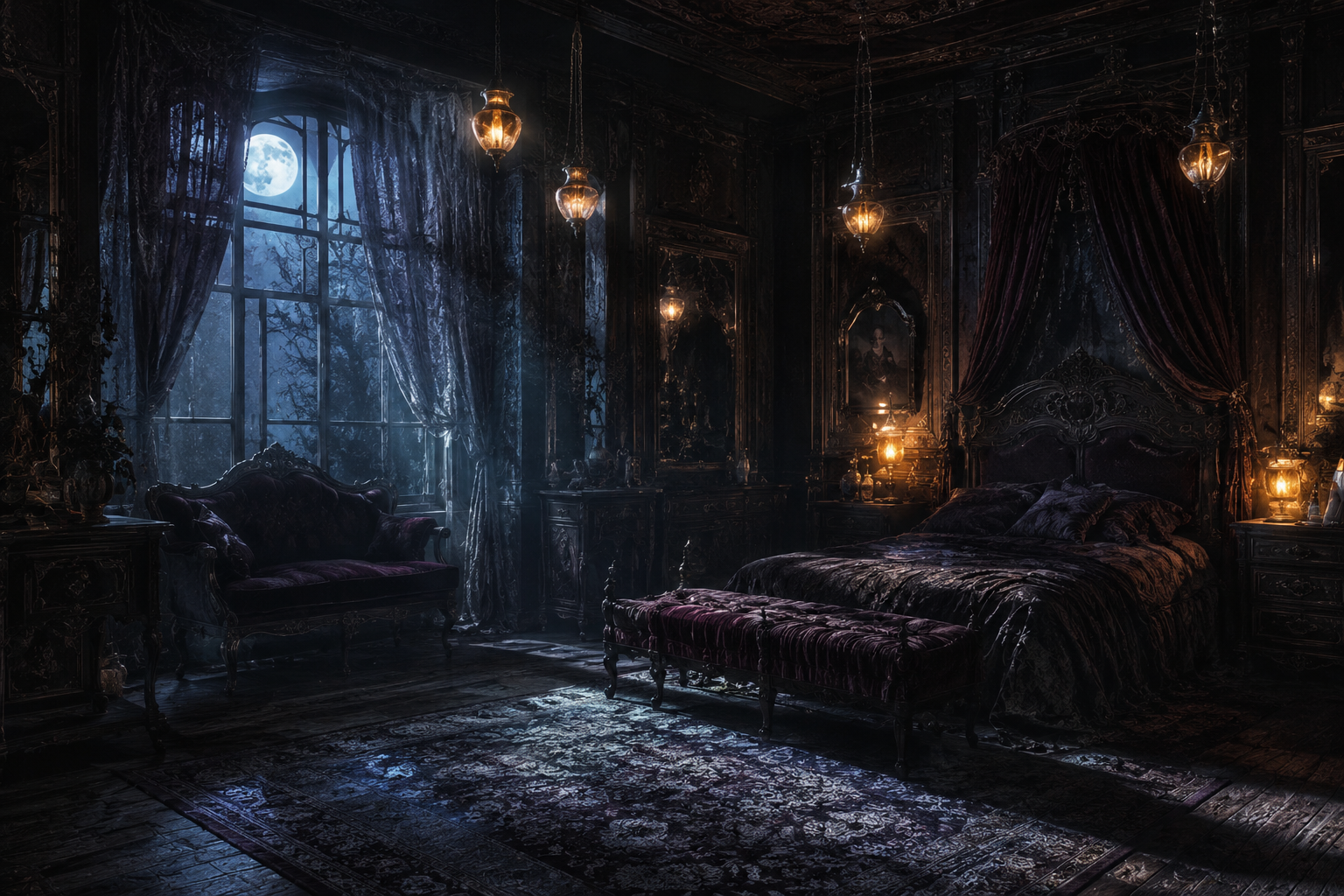
Viola’s Room: Inside Punchdrunk’s Gothic Experience
The Genesis of Modern Immersive Storytelling
In the evolving landscape of contemporary performance art, traditional boundaries between observer and stage continue to dissolve. Audiences no longer seek passive viewing; they demand total atmospheric immersion. Leading this artistic revolution for over two decades is Punchdrunk, the world-renowned British theatre company responsible for pioneering large-scale environmental productions. While earlier works such as Sleep No More and The Burnt City relied on sprawling warehouse spaces filled with dozens of non-verbal actors and free-roaming masked visitors, recent years have birthed a distinct evolution toward intimate, highly focused sensory adventures.
Key Information at a Glance
| Feature | Attribute Details |
| Production Entity | Punchdrunk |
| Directors | Felix Barrett and Hector Harkness |
| Adaptation Author | Daisy Johnson (adapted from Barry Pain’s The Moon Slave) |
| Voice Narrator | Helena Bonham Carter |
| Sound Designer | Gareth Fry |
| Primary Theme | Sensory-driven linear gothic fantasy |
| Key Audience Requirement | Barefoot exploration using high-fidelity headphones |
| Premise Focus | Physical tactile set engagement, lighting-guided path, atmospheric isolation |
At the center of this evolutionary shift is violas room, an extraordinary spatial creation that distils years of environmental craft into a linear, deeply personal narrative journey. Created under the direction of Felix Barrett and Hector Harkness, this production represents a departure from chaos toward curated precision. Rather than overwhelming visitors with dozens of competing narrative arcs across multi-story buildings, the experience focuses on a single narrative path guided by sound, light, and tactile feedback.
The artistic significance of violas room lies in its ability to evoke profound emotional resonance without relying on live cast members. By stripping away direct actor interaction, the physical environment itself becomes the primary performer. Every texture on the floor, every change in ambient temperature, and every shift in lighting works in tandem with an intricate soundscape to construct a world that feels simultaneously ancient and deeply immediate.
Architectural Philosophy and Set Design Nuances
The structural layout of violas room is meticulously constructed to alter the visitor’s perception of physical reality from the moment they cross the threshold. Unlike standard gallery installations or conventional set builds, the architecture serves as an active narrative engine. The transition begins in a stark, utilitarian prep room where traditional external anchors—such as footwear, mobile devices, and outer garments—are left behind. This requirement forces participants to become physically vulnerable, stripping away the protective layers of modern daily life before stepping into the darkness.
[Arrival & Decompression] ➔ [Barefoot Onboarding] ➔ [Initial Bedroom Threshold] ➔ [Labyrinthine Set Exploration]
As visitors step through the first doorway barefoot, they immediately encounter a domestic space that balances nostalgia with eerie gothic disquiet. The opening scene resembles a carefully preserved bedroom, filled with personal artifacts, vintage furniture, and delicate set dressing that suggests recent human habitation. The tactile contrast between soft carpets, cold wooden floorboards, polished stone, and uneven organic matter underfoot provides a continuous stream of physical feedback.
Set designers have engineered the maze-like floorplan of violas room to alternate between open, expansive chambers and tight, claustrophobic crawlspaces. This physical variation reinforces the psychological themes of the story. Light acts as the sole navigational guide throughout the labyrinth; warm filament bulbs, delicate light strings, and softly glowing lanterns illuminate specific details, signaling precisely when to move forward and when to linger in quiet contemplation.
Literature Brought to Life: The Narrative Framework
The narrative heart of violas room draws its core inspiration from late Victorian gothic literature, specifically adapting Barry Pain’s 1901 short story The Moon Slave. Modernized and expanded by Booker Prize-shortlisted author Daisy Johnson, the text transforms a classic tale of innocence lost and dangerous obsession into a timeless fable. The story centers on a young royal figure bound by societal expectations and an unwanted betrothal, who seeks solace in nighttime escape and hidden desires.
Through Daisy Johnson’s evocative prose, the story explores themes of autonomy, compulsion, and the mysterious forces that lie beyond the safety of civilized light. Rather than presenting the story through traditional printed text or staged dialogue, violas room delivers the story directly into the participant’s ears via high-fidelity, wireless headphone technology.
The vocal delivery by acclaimed actor Helena Bonham Carter adds a rich, intimacy-driven layer to the entire experience. Her voice, characterized by nuanced tones, delicate whispers, and commanding urgency, guides the visitor through every room, acting as both a trusted companion and an ominous storyteller. The alignment between her spoken words and the visual reveals within the physical space creates a seamless union of literature and environment.
Soundscape Engineering and Acoustic Innovation
Sound design plays a crucial role in maintaining narrative focus within violas room. Sound designer Gareth Fry, nominated for prestigious theatrical awards for his work on the production, engineered an intricate audio environment that syncs perfectly with audience movements. Utilizing localized wireless transmission, the soundscape adjusts smoothly as groups navigate from one chamber to the next.
The acoustic landscape consists of several carefully blended layers:
- Spoken Narration: Clear, close-mic vocal tracks that feel as though the narrator is standing directly alongside the listener.
- Environmental Textures: Subtle background audio elements, including soft wind, rustling leaves, distant creaking floorboards, and ticking clocks that echo the physical set design.
- Musical Composition: Soaring orchestral sequences, melancholy solo instrumental motifs, and haunting ambient synth pads that heighten emotional climaxes.
- Spatial Audio Effects: Carefully panning audio cues that direct the audience’s gaze toward specific lit objects or hidden architectural details within each room.
By controlling every sound the visitor hears, violas room effectively isolates participants from external real-world distractions. This sensory control ensures that even when walking in small groups, each person experiences a deeply personal, internal connection with the unfolding drama.
The Sensory Dimension: Barefoot Exploration and Lighting
The decision to require audiences to enter violas room entirely barefoot is a distinctive artistic choice that shapes the entire experience. In standard theatrical productions, tactile feedback through the feet is non-existent. By removing shoes and socks, the creators unlock an underutilized sensory channel. The floor surfaces become as expressive as the visual lighting or sound design:
- Warmth and Softness: Plush rugs and smooth carpets create a sense of domestic safety and quiet comfort.
- Cold and Roughness: Bare stone, worn brick, and textured timber introduce feelings of isolation, exposure, and gothic dread.
- Organic Materials: Patches of dried moss, fine sand, and smooth pebbles force visitors to slow down and carefully consider every step.
Lighting design within violas room operates on a principle of minimalist elegance. Rather than flood the set with uniform light, lighting designer Simon Wilkinson utilizes focused beams, soft candlelight effects, and delicate strings of tiny LED bulbs. Light functions as a gentle shepherd; when a narrative beat concludes in one area of a room, the light smoothly dims while an adjacent corner softly illuminates. This visual direction ensures smooth audience flow throughout the experience without requiring physical signage or human stagehands.
The Cultural Footprint of Punchdrunk Works
To fully appreciate the innovation behind violas room, one must examine Punchdrunk’s broader impact on global theatre history. Founded in 2000 by Felix Barrett, the company disrupted traditional stage practices by breaking down the fourth wall and granting audiences unprecedented autonomy.
| Production | Year Launched | Format Type | Key Innovations |
| Sleep No More | 2003 / 2011 | Non-linear, multi-story warehouse | Masked audience, free exploration, non-verbal dance |
| The Drowned Man | 2013 | Massive dual-building labyrinth | Cinematic scale, parallel narratives, vast set design |
| The Burnt City | 2022 | Mythic industrial complex | Combining Trojan tragedy with futuristic aesthetics |
| Violas Room | 2024 | Linear sensory installation | Audio-guided, barefoot exploration, no live actors |
While earlier productions celebrated vastness and total freedom of choice, violas room demonstrates Punchdrunk’s mastery over intimate, tightly focused environmental storytelling. It proves that environmental immersion does not require endless square footage or massive casts; thoughtful set design, precise lighting, and sound can create an equally memorable artistic world.
Deep-Dive Analysis: Themes of Autonomy and Isolation
At its core, violas room explores the delicate balance between personal freedom and inescapable fate. The protagonist’s journey mirrors the audience’s physical path through the space. As the story unfolds, themes of societal restraint contrast with the seductive freedom found in dark, wild spaces.
The absence of live actors within violas room heightens feelings of personal isolation. Visitors navigate the installation alongside small groups, yet the combination of individual headphones and personal tactile feedback creates an introspective space. You are simultaneously part of a collective audience and completely alone within your own sensory perception.
This psychological isolation allows the gothic elements of the tale to resonate more deeply. Shadows on the wall seem to stretch deliberately; sudden drops in audio volume encourage visitors to hold their breath; the cool air drifting through narrow passageways feels like an intentional breath from the building itself. The environment becomes a mirror reflecting the character’s internal psychological state.
Comparative Perspective: Linear vs. Open-World Experiences
The decision to make violas room a linear, audio-guided experience marks a notable evolution in immersive design. In open-world productions like Sleep No More, audience members frequently experience fear of missing out (FOMO), spending hours chasing actors through dark hallways in hopes of witnessing crucial plot points.
By contrast, violas room guarantees that every visitor experiences the narrative in its complete, intended sequence. The linear format eliminates narrative confusion while retaining the thrill of discovery.
Open-World Model (e.g., Sleep No More):
[Entrance] ➔ [Branching Paths / Fragmented Scenes] ➔ [Unpredictable Finale]

Linear Sensory Model (e.g., Violas Room):
[Entrance] ➔ [Structured Room Sequence] ➔ [Unified Emotional Climax]
This structural shift opens new possibilities for environmental theatre. By controlling the exact timing and sequence of audience movement, the creative team can build precise emotional arcs, carefully placing moments of wonder, tension, and quiet reflection.
Navigating the Physical Space: Audience Dynamics
Moving through violas room requires a willingness to surrender traditional habits of theatregoing. Visitors move slowly in small, staggered groups, guided by subtle light shifts. Because there are no physical seats or conventional stages, body movement becomes an active component of the experience.
Participants must bend down to pass through low arches, step carefully across variable floor textures, and lean close to detailed dioramas to observe delicate miniature scenes. This physical engagement creates a heightened state of awareness, making the fictional world feel real and tangible.
The absence of smartphones and digital devices ensures that visitors remain fully present throughout their journey. Without the distraction of photography or messaging, the mind adapts quickly to the environment’s rhythms, noticing subtle details that would otherwise go overlooked—the scent of aged paper, the texture of crushed velvet, and the soft flicker of dying embers.
Technical Craftsmanship: Behind the Scenes
Creating a seamless sensory journey like violas room requires extensive technical choreography. Behind the scenes, advanced show control systems synchronize lighting states, audio playback, and environmental effects across multiple interconnected zones.
Subtle sensors positioned throughout the installation track group movement, ensuring that audio narration transitions naturally without abrupt cuts or overlapping sound. This technological scaffolding remains completely invisible to the visitor, preserving the magical atmosphere of the space.
Haze generators and thermal controls work continuously in the background to maintain specific environmental conditions in each chamber. Cool, damp air in forest-themed sections contrasts with warm, still air inside domestic spaces, reinforcing the narrative setting through subtle ambient shifts.
The Lasting Legacy of Modern Immersive Art
The critical acclaim and strong audience engagement surrounding violas room highlight a growing appetite for intimate, sensory storytelling. As digital entertainment becomes increasingly prevalent in everyday life, physical, tactile art installations offer a meaningful counterweight. They remind us of the value of quiet presence, shared physical spaces, and the simple thrill of stepping into the unknown.
By synthesizing literature, architectural set design, spatial sound, and physical sensory feedback, violas room sets a high standard for modern experiential art. It demonstrates that true immersion is not merely about visual grandeur; it is about creating an emotional connection that lingers long after returning to the outside world.
Frequently Asked Questions
What is the primary concept behind the installation?
It is an audio-driven, linear sensory experience created by Punchdrunk that combines barefoot exploration, tactile set environments, precise lighting, and headphones to tell a gothic mystery.
How long does a typical journey through the space last?
The journey generally takes approximately 60 minutes from initial onboarding to the final exit chamber.
Do visitors interact with live actors during the journey?
No, the experience contains no live performers; the story is revealed through environmental set design, lighting cues, and audio narration.
Why are participants required to go barefoot?
Going barefoot heightens sensory awareness, allowing visitors to feel diverse floor textures that directly complement the narrative beats and atmospheric mood.
Is the story suitable for all age groups?
Due to its gothic themes, moments of total darkness, and claustrophobic spaces, the experience is designed for audiences aged 12 and above.
Understanding Artistic Innovations in Modern Theatre
The continued evolution of interactive storytelling relies on daring experiments that challenge conventional expectations. Projects like violas room demonstrate that environmental design, literature, and audio craftsmanship can unite to create unforgettable artistic journeys. As creative boundary-pushers continue to reimagine how audiences experience narrative art, these intimate sensory spaces offer a compelling blueprint for the future of world-building and theatrical expression.
To see a detailed walkthrough and review of the sensory details and source material behind Punchdrunk’s production, you can watch the Off Broadway Review: VIOLA’S ROOM video. This video provides an excellent breakdown of how the gothic story comes to life through headphones and lighting in the installation.
Read more:https://articlebytes.co.uk/being-maria/