


Best Asado Negro Near Me: Ultimate Venezuelan Dining Guide
The Ultimate Guide to Discovering Authentic Venezuelan Asado Negro
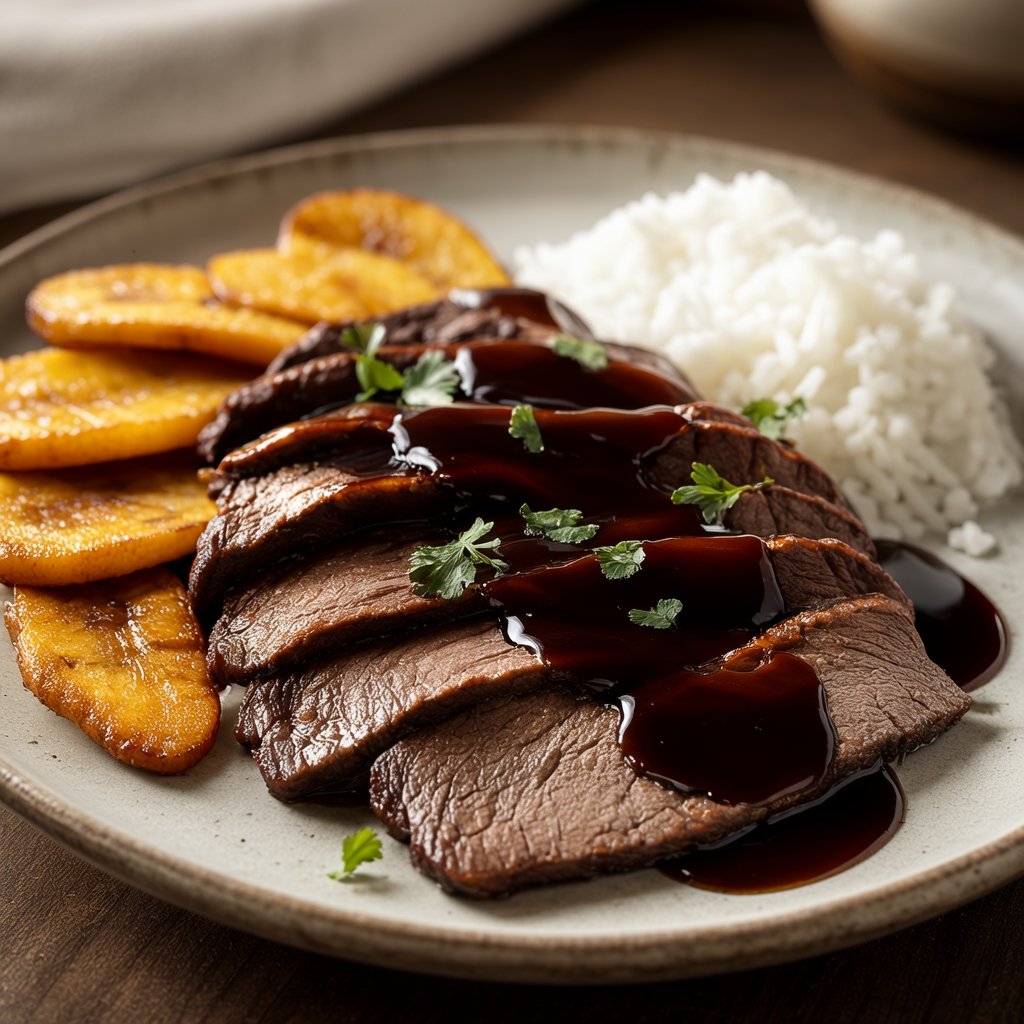
The global culinary landscape is increasingly defined by diners seeking deeply authentic, heritage-rich gastronomic experiences. Among the standout treasures of South American cooking, few dishes command as much reverence as Venezuelan Asado Negro. Known for its striking, near-black glossy gravy and extraordinarily tender beef, this iconic roast represents a centuries-old harmony of savory and sweet flavor profiles. When food enthusiasts search for the best asado negro near me, they are rarely looking for just another meal; they are embarking on a journey toward understanding a centerpiece of Venezuelan cultural heritage.
Navigating local dining choices to find true culinary craftsmanship requires knowing what makes an outstanding Asado Negro. From colonial kitchens in Caracas to modern artisanal eateries worldwide, this dish demands patience, refined technique, and an exact balance of unrefined cane sugar, aromatics, and prolonged braising. Understanding the subtle nuances of its preparation helps food lovers identify top-tier restaurants that honor traditional methods while offering exceptional dining experiences.
Historical Origins and Cultural Profile
To appreciate why thousands of diners search for the best asado negro near me each week, one must explore the historic kitchens of colonial Venezuela. Originating primarily in Caracas during the 18th and 19th centuries, Asado Negro emerged from a creative synthesis of European culinary techniques and indigenous, Afro-Caribbean ingredients. Legendary Venezuelan gastronomy historian Armando Scannone later codified the classic proportions of the dish, cementing its status as an irreplaceable cornerstone of national identity.
Historically reserved for major family milestones, holiday banquets, and Sunday afternoon gatherings, Asado Negro carries a sense of celebration. The dish transforms a relatively lean cut of beef into an luxurious feast through precise caramelization and hours of gentle simmering.
Profile Summary of Asado Negro
| Profile Attribute | Historical & Culinary Specification |
| Dish Classification | Traditional Venezuelan Slow-Braised Beef Roast |
| Origin Era | Colonial Caracas, 19th Century Venezuela |
| Primary Cut of Meat | Muchacho Redondo (Eye of Round Roast) |
| Signature Sweetener | Papelón (Unrefined Whole Cane Sugar / Panela) |
| Dominant Flavor Profile | Deep Umami, Caramelized Sweetness, Tangy Acidity |
| Traditional Accompaniments | White Rice, Tajadas (Fried Sweet Plantains), Ensalada de Gallina |
| Cultural Significance | Festive Centerpiece for Holidays and Sunday Gatherings |
The Culinary Anatomy: Anatomy of Flavor and Technique
Finding the best asado negro near me depends on whether a restaurant adheres strictly to fundamental kitchen principles or cuts corners with pre-made sauces and rushed cooking methods. The soul of Asado Negro lies in its unique transformation of simple ingredients into a complex, multi-layered sauce.
1. The Selection and Preparation of Meat
The authentic recipe exclusively utilizes muchacho redondo, known in Western butcher shops as the eye of round roast. Because this cut is lean and naturally tough, it requires a long marination process—often up to twenty-four hours—with crushed garlic, onions, Worcestershire sauce, red wine, and subtle spices like cumin and black pepper.
2. The Art of Caramelization (El Quemado)
The defining step of any top-rated establishment preparing the best asado negro near me is the caramelization phase. The chef melts papelón (raw, unrefined sugarcane) or dark sugar in hot oil until it reaches a deep, smoking amber color. The marinated beef is immediately seared in this bubbling brown sugar liquid. This step requires immense skill: seared too briefly, the sauce lacks depth; seared too long, the sugar burns and introduces unwanted bitterness.
3. Gentle Braising and Sauce Reduction
Once a dark mahogany crust forms around the entire roast, the meat is braised alongside grated onions, bell peppers, tomatoes, red wine, and beef stock. Over three to four hours, the connective tissues within the beef break down completely. The braising liquid is later blended into a smooth, dark gravy that coats every slice with balanced sweetness and rich umami notes.
Key Markers of Exceptional Quality
When searching local restaurant listings for the best asado negro near me, analyzing customer reviews, menu descriptions, and food photographs can help pinpoint true culinary excellence. High-end Latin American establishments that take pride in their craft demonstrate specific indicators of quality.
- Texture of the Beef: The beef slices must maintain structural integrity on the plate while remaining tender enough to yield easily to the edge of a fork.
- Depth and Color of the Gravy: The sauce should showcase a brilliant, velvety dark-chocolate color. It must never appear thin, watery, or pale brown.
- Balanced Flavor Notes: Superior preparations maintain a tight balance where the sweetness of the caramelized cane sugar accentuates, rather than overpowers, the savory depth of the beef stock and Worcestershire sauce.
- Authentic Side Dishes: An authentic experience relies on traditional accompaniments. Look for menus featuring warm white rice to absorb the sauce, combined with perfectly caramelized tajadas (sweet fried plantains).
Evaluating Local Dining Spots for the Best Asado Negro Near Me
As Latin American gastronomy expands across international urban centers, identifying the best asado negro near me requires checking subtle culinary details across different dining venues.
                     [ Identifying Quality Asado Negro ]
                                     │
         ┌───────────────────────────┴───────────────────────────┐
         ▼                                                       ▼
[ Traditional Family Eateries ]                        [ Modern Fusion Concepts ]
   • Focus on 24-hr Marination                            • Innovative Sauce Infusions
   • Hand-grated Aromatics                                • Precision Sous-Vide Cooking
   • Classic Papelón Caramelization                       • Elevated Plating & Wine Pairings
Traditional Family-Owned Bistro Style
Family-run Venezuelan establishments often rely on generations-old recipes passed down through families. These kitchens usually stick to classic hand-grating techniques for onions and tomatoes, yielding a rustic, comforting sauce texture that mirrors authentic home cooking. Visiting these spots often provides the most nostalgic experience available.
Modern Fine-Dining Interpretations
Contemporary Latin fusion kitchens may utilize modern culinary technologies, such as long-term sous-vide cooking followed by high-heat pan caramelization. These refined interpretations often incorporate red wine reductions, artisanal panela sugars, or micro-herb garnishes, presenting the dish with sophisticated elegance while maintaining its core historical flavor profile.
Perfect Pairing Suggestions: Enhancing Your Dining Experience
To fully enjoy ordering the best asado negro near me, consider pairing the dish with complementary beverages and starters that balance its rich, caramelized sweetness.
- Beverage Pairings: Heavy, tannic red wines such as Syrah, Cabernet Sauvignon, or Malbec cut through the rich beef fat and harmonize with the dark sugar reduction. For a non-alcoholic option, traditional Papelón con Limón (sugarcane juice with fresh lime) offers a crisp, citrusy contrast.
- Appetizers: Light, crispy corn-based starters such as tequeños (fried cheese sticks wrapped in dough) or mini arepas served with fresh white cheese provide a pleasant textural contrast before enjoying the heavy roast main course.
Navigating Specific Dietary Requirements
Diners looking for options tailored to specific dietary needs can comfortably enjoy this dish when ordering from knowledgeable kitchens.
- Gluten-Free Dining: Traditional Asado Negro recipes rely naturally on vegetable purées and long sauce reductions for thickness rather than flour-based roux, making it an excellent naturally gluten-free option. Always confirm with your server that no artificial liquid seasonings containing hidden gluten were added during marination.
- Dairy Considerations: The classic preparation avoids milk, butter, or cream entirely, relying solely on natural oils, cane sugar, meat juices, and vegetable bases.
Essential Questions for Your Next Dining Visit
Before booking a table at a local restaurant offering the best asado negro near me, asking a few brief questions can help ensure an exceptional meal:
- Is the beef braised slowly in-house from whole eye of round cuts?
- Does the chef use natural papelón for the caramelization process?
- Are the plantains and rice prepared fresh alongside the main roast?
Frequently Asked Questions
What gives Asado Negro its distinct black color?
The dark appearance comes from searing the meat in deeply caramelized papelón (unrefined sugarcane) before braising. As the roast simmers over several hours alongside aromatics, red wine, and stock, the sugars reduce into a glossy, mahogany-black sauce.
Is Asado Negro sweet or savory?
It balances both profiles evenly. While the initial searing process uses whole cane sugar, the addition of Worcestershire sauce, garlic, onions, black pepper, and beef broth creates a savory, umami-rich flavor where sweetness serves as an accent rather than the main feature.
What cut of beef is traditionally used in Asado Negro?
The traditional cut is muchacho redondo, known as eye of round roast. This lean, dense cut is ideal for long, slow braising, which softens the muscle fibers while allowing the flavors of the sauce to penetrate deeply.
How does Asado Negro differ from standard pot roast?
While standard American or European pot roasts rely on savory broth, root vegetables, and flour-thickened gravies, Asado Negro features a sweeter, highly aromatic reduction driven by seared raw cane sugar, Worcestershire sauce, wine, and puréed aromatics.
Can Asado Negro be made ahead of time?
Asado Negro often tastes better the day after it is prepared. Allowing the sliced beef to sit overnight in the reduced dark sauce gives the flavors time to meld together and absorb deeper into the meat.
Mastering the Search for Culinary Excellence
Finding authentic, high-quality Venezuelan cuisine requires looking past simple advertising and appreciating true culinary tradition. The ultimate experience of ordering the best asado negro near me relies on finding a kitchen that values slow braising, careful caramelization, and authentic ingredient sourcing. By seeking out establishments that honor these centuries-old Caracas traditions, diners can look forward to a memorable meal that highlights the rich depth of South American gastronomy.
Read more:https://articlebytes.co.uk/classroom-15/