


Best Humita en Chala Near Me: Ultimate Culinary Guide
The Legacy of Humita en Chala: An Exploration of Andean Culinary Heritage
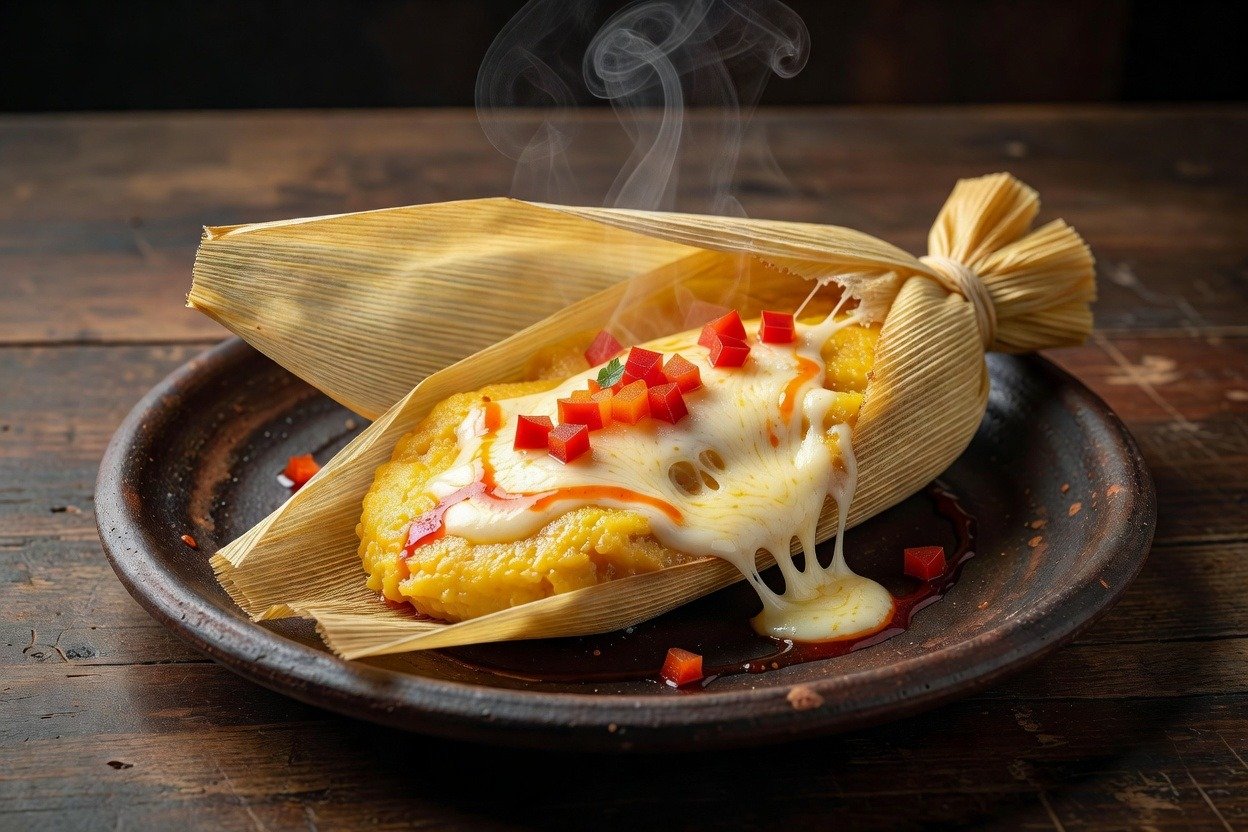
Humita en chala represents one of the most enduring culinary creations of the South American continent. Stemming from ancient indigenous agricultural traditions, this delicate parcel of stone-ground corn wrapped meticulously in its own fresh husk preserves centuries of Andean wisdom, communal heritage, and local flavor profiles. Long before modern fusion gastronomy took center stage, indigenous populations across Peru, Bolivia, Ecuador, Chile, and the northern provinces of Argentina were harvesting fresh maize, seasoning it with local herbs, and slow-steaming it within native leaves.
Argentum Empanadas
Searching for the best humita en chala near me leads directly to authentic South American eateries, traditional panaderías, and specialized Andean kitchens dedicated to preserving this ancestral craft. To fully appreciate what makes a superior humita, one must understand the intricate balance of agricultural seasonal timing, stone-grinding mechanics, regional seasoning profiles, and the art of wrapping food in natural foliage.
Etymology and Historical Evolution
The term humita originates from the Quechua word humint’a, which historically described a steamed corn dough confection prepared for both daily nourishment and sacred ceremonial offerings throughout the Inca Empire. The phrase en chala explicitly refers to the natural outer wrapper: chala is the Quechua term for the dried or fresh corn husks harvested directly from the ear of the corn plant.
Tucumán Turismo
                                  [ Ancestral Quechua Origin: Humint'a ]
                                                    │
                                                    ▼
                       ┌────────────────────────────┴────────────────────────────┐
                       │                                                         │
                       ▼                                                         ▼
         [ Pre-Columbian Preparation ]                           [ Colonial Adaptation ]
       Fresh Ground Maize (Choclo)                             Addition of Dairy (Cow Milk)
            Cooked in Earth Ovens                                  Melting Queso Cremoso
         (Pachamanca) inside Husks                               Sautéed Onions & Paprika
                       │                                                         │
                       └────────────────────────────┬────────────────────────────┘
                                                    │
                                                    ▼
                                     [ Modern Humita en Chala ]
                                 Fragrant Steamed Corn Parcels
                                   Found Across South America
During the pre-Columbian era, native agriculturalists processed mature ears of choclo—a large-kernel, low-sugar variety of Andean corn—by pounding or stone-grinding the kernels into a semi-smooth paste. This mass was seasoned with native herbs, peppers, and occasionally squash or pumpkin before being secured inside folded husks. These bundles were then slow-cooked over hot stones, within earth ovens known as pachamancas, or over gentle wood fires.
When Spanish colonizers introduced Old World ingredients to the continent, the dish evolved naturally. Incorporating cow’s milk, butter, lard, sautéed bulb onions, and fresh melting cheeses turned the rustic corn mash into a velvety, rich culinary staple that remains largely unchanged across rural South America today.
Tucumán Turismo
Comparative Profile: Humita en Chala vs. Related Corn Dishes
Understanding the distinction between Andean humita en chala and other traditional American wrapped corn preparations clarifies why enthusiasts actively search out the best humita en chala near me for a distinct dining experience.
| Feature | Humita en Chala | Mexican Tamale | Venezuelan Hallaca | Brazilian Pamonha |
|---|---|---|---|---|
| Primary Base | Fresh ground choclo corn paste | Nixtamalized dried corn masa | Seasoned cornmeal dough | Fresh sweet corn purée |
| Primary Wrapper | Fresh green or soaked corn husks (chala) | Dried corn husks or banana leaves | Plantain/Banana leaves | Fresh green corn husks |
| Texture | Soft, creamy, soufflé-like, spoonable | Firm, structured, doughy | Dense, firm, structured dough | Sweet or savory gelatinous custard |
| Filling Style | Blended directly into the corn base | Layered meat/sauce center | Multi-ingredient meat stew center | Mixed into mass or cheese-filled |
| Key Seasoning | Paprika, onion, cumin, cheese, basil | Lard, chili pastes, broth | Wine, capers, olives, meats | Sugar, milk, coconut milk, cheese |
| Cooking Method | Steamed or boiled | Steamed | Boiled in tied packages | Boiled in wrapped husk packages |
Essential Ingredients and Flavor Chemistry
An authentic humita en chala relies on the chemical interaction between natural starches, high-fat dairy, and aromatic vegetables. Unlike recipes utilizing dried corn flour, genuine humita requires freshly cut corn cobs containing sufficient moisture and natural milkiness.
Argentum Empanadas
- Choclo (Andean White Corn): Large-kerneled, starchy maize providing structural body and a subtle, natural sweetness.
- Aromatic Base (Sofrito): Finely diced bulb onions, sweet red capsicums, and scallions sautéed slowly in butter, lard, or olive oil. Argentum Empanadas
- Cheese Core: Fresh, creamy melting cheeses such as queso cremoso, queso fresco, mozzarella, or mild goat cheese.
- Regional Seasonings: Sweet Spanish paprika (pimentón dulce), ground cumin, fresh basil leaves, and occasionally a hint of chili pepper or nutmeg.
- Binding Agents: Whole milk, winter squash (such as anchoíta or butternut), or a light dusting of fine cornmeal if extra moisture reduction is required.
                     [ Ingredients & Cooking Synergy ]
  ┌─────────────────────────────────────────────────────────────────────┐
  │  Fresh Ground Choclo + Sautéed Onions & Peppers + Sweet Paprika     │
  └──────────────────────────────────┬──────────────────────────────────┘
                                     │
                                     ▼
  ┌─────────────────────────────────────────────────────────────────────┐
  │   Folded into Husks with Queso Cremoso + Tied with Natural Twine   │
  └──────────────────────────────────┬──────────────────────────────────┘
                                     │
                                     ▼
  ┌─────────────────────────────────────────────────────────────────────┐
  │  Slow-Steamed 45 Mins: Starch Gelatinizes, Cheese Melts into Mass   │
  └─────────────────────────────────────────────────────────────────────┘
When cooked, the natural corn starches gelatinize while absorbing the moisture of the sautéed onions and milk. The encasing husk seals in all aromatic steam, imprinting a subtle herbal, leafy note throughout the sweet and savory corn interior.
Anatomical Breakdown of a Traditional Humita
Understanding how a Master Cocinero builds a humita en chala reveals why finding the best humita en chala near me requires seeking out artisanal establishments that refuse to cut corners in production.
                ┌───────────────────────────────────────────┐
                │        Outer Corn Husks (Chala)           │
                │    Overlapped crosswise & tied securely   │
                └─────────────────────┬─────────────────────┘
                                      │
                ┌─────────────────────┴─────────────────────┐
                │         Creamy Corn & Sofrito Mass        │
                │   Grated fresh choclo, sautéed onions,    │
                │   red peppers, milk, and sweet paprika    │
                └─────────────────────┬─────────────────────┘
                                      │
                ┌─────────────────────┴─────────────────────┐
                │         Molten Fresh Cheese Core          │
                │  Queso Cremoso or Queso Fresco wedge     │
                └───────────────────────────────────────────┘
The craftsmanship lies in the wrapping mechanism. Two large outer husks are cleaned, softened in warm water, and placed crosswise with their wide edges overlapping. The seasoned corn mixture is spooned into the center, topped with a generous chunk of fresh cheese, and wrapped tightly. The top and bottom ends fold inward to create a sealed rectangular or bow-tie-shaped parcel, tied securely using thin strips torn from extra husks or kitchen twine.
Regional Variations Across South America
Every South American country along the Andean ridge has adapted the basic formula to reflect local agricultural yields and regional taste preferences.
Northern Argentina (Salta, Jujuy, Tucumán)
In the northwest provinces of Argentina, humita en chala is deeply cherished as a regional treasure. It features a rich blend of grated fresh corn, onions, red peppers, sweet paprika, and winter squash. A prominent wedge of local queso cremoso is placed right in the center before the parcel is tied and steamed. Argentinian humitas are also widely served en cazuela (in a clay pot), but the version cooked en chala remains the benchmark for authentic texture and earthy aroma.
Argentum Empanadas
Chile
Chilean humitas focus heavily on the natural purity of fresh summer corn combined with finely chopped fresh basil and onion. The mixture is sautéed in lard or butter, enveloped in corn husks, tied into bow-tie shapes, and boiled in salted water. They are frequently served alongside ensalada a la chilena (sliced tomatoes, onions, oil, and cilantro) or sprinkled with coarse granulated sugar for a sweet-and-savory balance.
Pilar’s Chilean Food & Garden
Peru and Bolivia
In the high Andes of Peru and Bolivia, humitas are prepared in both savory (saladas) and sweet (dulces) iterations. Savory versions incorporate fresh mountain herbs like huacatay (Peruvian black mint), garlic, and queso andino. Sweet versions blend cinnamon, raisins, anise seeds, and unrefined cane sugar (chancaca) directly into the ground corn paste.
Vamos Spanish Academy
Ecuador
Ecuadorian humitas are recognized for their light, airy structure. Kitchens mix ground fresh corn with whisked eggs, melted butter, heavy cream, and regional cheese. The mixture is spooned into a single wide corn husk, folded neatly, and steamed vertically in dedicated double boilers.
TasteAtlas+ 1
Crucial Factors for Locating Authentic Establishments
Locating a dining establishment or market offering authentic humita en chala requires paying close attention to kitchen practices, ingredient sourcing, and preparation styles.
                   [ Sourcing Fresh Seasonal Choclo ]
                                   │
                                   ▼
                   [ Hand-Grating or Coarse Milling ]
                                   │
                                   ▼
                [ Artisanal Folding in Natural Husks ]
                                   │
                                   ▼
               [ Gentle Steam Cooking (Never Microwaved) ]
                                   │
                                   ▼
               [ Molten Cheese Center & Delicate Texture ]
When searching for the best humita en chala near me, evaluate these markers of authenticity:
- Seasonal Fresh Corn Sourcing: Authentic kitchens only serve top-tier humitas when fresh corn is at peak sweetness and starch content, or they carefully source imported frozen whole-grain choclo rather than using generic canned corn. Argentum Empanadas
- Coarse Texture Maintenance: The corn kernels should be coarsely grated or ground on stone mills rather than processed into a smooth, watery purée. Maintaining texture provides a pleasing, delicate bite. Argentum Empanadas
- Traditional Wrapping Technique: Genuine establishments wrap their humitas in intact, fragrant corn husks tied with natural husks or string, avoiding foil or plastic wrap during the cooking process. Argentum Empanadas
- Balanced Sauté Base: High-end kitchens prepare a dedicated sofrito with sweet paprika and diced onions, ensuring the corn paste absorbs savory richness without overpowering its natural flavor.
- Fresh Melting Cheese Core: The presence of a gooey, molten cheese core in every unwrapped bundle signals careful hand-assembly by skilled cooks.
Professional Culinary Data Reference
| Profile Category | Quantitative / Qualitative Specification |
|---|---|
| Origin Region | Central Andes (Argentina, Peru, Bolivia, Chile, Ecuador) |
| Historical Period | Pre-Columbian Era (Incan Empire) |
| Primary Ingredient | Fresh Starchy White Corn (Choclo) |
| Average Steam Time | 45 to 50 Minutes |
| Dominant Flavor Profile | Naturally Sweet Corn, Savory Onion, Paprika, Smoky Cheese |
| Serving Temperature | Hot, Freshly Steamed (rested 5 minutes before unwrapping) |
| Dietary Profile | Vegetarian, Gluten-Free (naturally grain-based) |
| Classic Beverage Pairing | Torrontés Wine, Malbec, Chicha Morada, Warm Mate |
Step-by-Step Culinary Preparation Method
For culinary enthusiasts eager to recreate this ancestral dish in their own homes, following a precise sequence ensures structural integrity and optimal flavor extraction.
Step 1: Husk Sourcing ➔ Carefully remove cobs, saving intact husks; soak dried ones in warm water.
Step 2: Corn Grating  ➔ Cut kernels off choclo cobs and coarsely grate to maintain texture.
Step 3: Sofrito Base  ➔ Sauté diced onions and red capsicum in butter; season with sweet paprika.
Step 4: Masa Assembly ➔ Mix corn into cooked sofrito; cook 10 mins, stir in milk and green onions.
Step 5: Husk Assembly ➔ Cross-overlap husks, spoon filling, place cheese wedge, and fold tight.
Step 6: Package Tying  ➔ Bind folded husks with twine or strips of husk to form a tight parcel.
Step 7: Gentle Steam  ➔ Steam vertically for 45 to 50 minutes until mass sets completely.
Pairing Suggestions and Serving Contexts
To elevate your experience when dining at top South American venues or enjoying homemade humita en chala, consider these traditional culinary pairings:
- Wine Pairings: The delicate sweetness of corn paired with savory cheese complements a crisp, aromatic Salta Torrontés white wine. For savory humitas seasoned with ground chili and paprika, a medium-bodied Argentinian Malbec or a Chilean Carmenère provides a satisfying match.
- Side Accompaniments: Pair humita en chala with a fresh salsa criolla (diced tomatoes, red onions, cilantro, olive oil, and red wine vinegar) to cut through the richness of the cheese and corn mass.
- Non-Alcoholic Beverages: Traditional Andean options include Chicha Morada (sweetened spiced purple corn juice) or freshly brewed hot Mate tea.
Answering Common Culinary Inquiries
What is the difference between humita en chala and a tamale?
Humita en chala is made primarily from fresh, ground sweet corn kernels (choclo) blended with milk, onions, and cheese. A traditional tamale uses nixtamalized dried corn dough (masa) and is typically filled with cooked meats and chili sauces.
Argentum Empanadas
Is humita en chala naturally gluten-free?
Yes, authentic humita en chala consists entirely of fresh corn, vegetables, dairy, and spices wrapped in natural husks. However, always confirm with restaurant staff that no wheat flour was used as a thickening agent in commercial kitchens.
Argentum Empanadas
Can humita en chala be stored and reheated?
Yes. Steamed humitas wrapped in their husks can be refrigerated for up to 4 days or frozen for up to 3 months. To reheat, steam them over simmering water for 15 minutes or microwave them inside a damp paper towel until heated through.
Argentum Empanadas
Why does the choice of corn matter so much?
Fresh starchy corn yields a naturally sweet, creamy mass when grated. Supermarket sweet corn contains too much moisture and insufficient starch, requiring cornmeal binders to achieve the proper texture.
Are humitas sweet or savory?
They can be either. In Argentina and Chile, savory humitas seasoned with onions, cheese, and paprika dominate. In Peru and Ecuador, sweet variations featuring sugar, cinnamon, and raisins are equally popular.
Argentum Empanadas+ 1
Connecting Modern Food Culture with Ancestral Wisdom
Savoring a freshly steamed humita en chala bridges the gap between modern culinary craft and centuries-old South American farming traditions. The dish highlights how simple, wholesome agricultural ingredients—corn, onions, herbs, and milk—can be transformed through patient handcrafting into an exceptional culinary experience. Searching for the best humita en chala near me is more than just seeking a meal; it is an invitation to explore the rich history, vibrant cultures, and authentic flavors of the Andean world.
Tucumán Turismo
Whether enjoyed at an authentic family-run bistro, purchased from a local Latin American bakery, or prepared at home using traditional techniques, humita en chala remains a timeless tribute to the enduring magic of native South American gastronomy.
Vamos Spanish Academy
Traditional Humita en Chala Preparation
This video provides a step-by-step visual demonstration of preparing traditional Argentinian humita en chala, making it easier to master the intricate wrapping technique.
YouTube
Humita en Chala: Receta Tradicional | Paso a Paso
Marisa Sanchez Perez · 156K views Open in Humita en Chala: Receta Tradicional | Paso a Paso


https://youtube.com/watch?v=co9MDJEyVEs%3Fhl%3Den%26rel%3D0%26showinfo%3D0%26enablejsapi%3D1%26origin%3Dhttps%253A%252F%252Fgemini.google.com%26widgetid%3D5%26forigin%3Dhttps%253A%252F%252Fgemini.google.com%252Fapp%252Fdd1757831bb7f30c%26aoriginsup%3D1%26vf%3D1
Read more:https://articlebytes.co.uk/baddies-hub/