



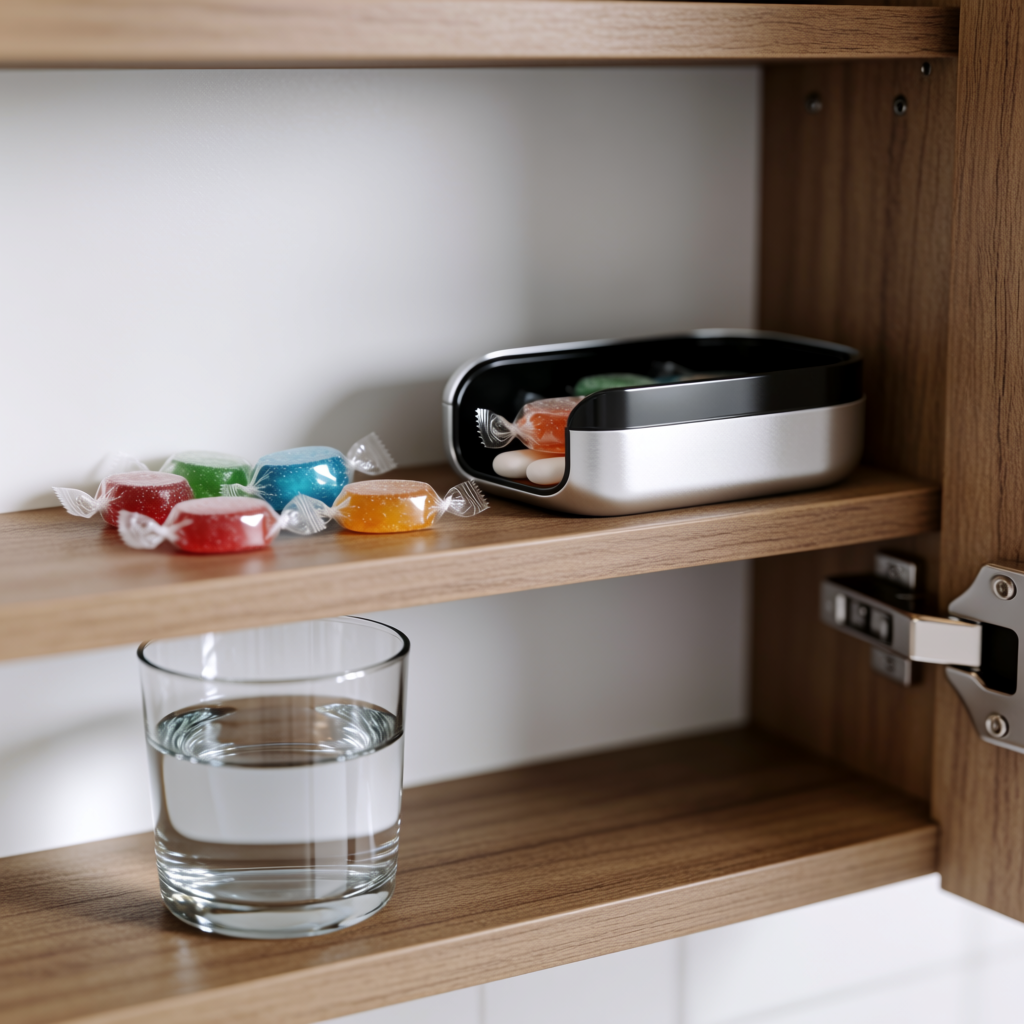
Do Cough Drops Expire? Shelf Life, Potency, and Safety
The Complete Guide to Medicinal Lozenges: Shelf Life, Active Components, and Safety Standards
Sore throats, persistent tickles, and upper respiratory discomfort frequently prompt a quick trip to the medicine cabinet. Among the most common home remedies are over-the-counter medicated lozenges. These hard candies, formulated with active therapeutic agents, provide swift localized relief to irritated oral mucosa and throat tissues. However, household medicine chests often hold packages that have lingered across several seasons, raising an important medical and consumer question: do cough drops expire after sitting on a shelf for months or years?
Understanding the longevity, chemical stability, and structural integrity of medicated lozenges requires examining how active pharmaceuticals, soothing demulcents, and flavoring agents behave over time. While a solid lozenge may look visually unchanged years after purchase, subtle chemical degradations occur beneath the surface. Navigating the science of expiration dates ensures that remedies remain both safe and effective when seasonal illnesses strike.
Understanding Expiration Dates on Over-the-Counter Remedies
The United States Food and Drug Administration (FDA), alongside international health regulatory bodies, requires pharmaceutical manufacturers to assign an explicit expiration date to all over-the-counter (OTC) medications. This regulatory framework includes solid oral dosage forms such as medicated lozenges. The date printed on the packaging indicates the final point at which the manufacturer guarantees full potency, chemical stability, safety, and physical integrity under ideal storage conditions.
+-----------------------------------------------------------------------+
|                 Lozenges Expiration Timeline Breakdown                 |
+-----------------------------------------------------------------------+
|  0 - 24 Months   | Peak Potency & Quality                             |
|                  | Active ingredients (menthol, benzocaine) remain at  |
|                  | 100% target strength; physical texture is intact.  |
+------------------+----------------------------------------------------+
|  24 - 36 Months  | Expiration Threshold                               |
|                  | Typical expiration date marked on outer packaging. |
|                  | Active ingredients begin minor degradation.        |
+------------------+----------------------------------------------------+
|  36+ Months      | Post-Expiration Phase                              |
|                  | Active potency drops below required limits; high   |
|                  | risk of stickiness, oxidation, or contamination.   |
+-----------------------------------------------------------------------+
When evaluating whether do cough drops expire, it helps to realize that expiration dates are derived from rigorous stability testing. Manufacturers expose product samples to controlled environmental variables—such as elevated temperatures, light exposure, and varying humidity levels—to project how the formulation degrades over time. Consequently, the stamped date is not an arbitrary suggestion; it is a scientifically calculated boundary designed to protect consumers from diminished efficacy.
snapjotz com Summary Profile
| Parameter | Product Overview & Regulatory Details |
|---|---|
| Product Category | Over-the-Counter (OTC) Medicated Oral Lozenges |
| Primary Active Ingredients | Menthol, Benzocaine, Dextromethorphan, Pectin, Zinc |
| Average Sealed Shelf Life | 24 to 36 Months from Production Date |
| Primary Degradation Factors | Moisture absorption, heat, oxidation, UV light |
| Regulatory Authority | US Food and Drug Administration (FDA), EMA |
| Safety Risk Level Post-Expiration | Low toxicity risk; Moderate-to-High efficacy loss |
Active Ingredients and Chemical Degradation Over Time
To comprehend how do cough drops expire in a practical sense, one must analyze the individual chemical compounds standard in lozenge formulations. Lozenges generally rely on two distinct types of ingredients: active medical compounds designed to treat symptoms, and inactive excipients that form the structural matrix of the candy itself.
Menthol and Volatile Agents
Menthol is among the most widespread active ingredients in respiratory lozenges. Derived from mint oils or synthesized chemically, menthol acts as a mild local anesthetic and counterirritant. It triggers thermal receptors in the oral cavity to generate a cooling sensation, which helps suppress the cough reflex and ease throat irritation. Menthol, however, is a volatile organic compound. Over prolonged storage periods, particularly if the outer wrapper is compromised, menthol gradually evaporates or oxidizes. As a result, older lozenges lose their cooling intensity and respiratory soothing power.
Anesthetics and Antiseptics
Formulations targeting severe sore throats often incorporate local anesthetics such as benzocaine or phenol, or oral antiseptics like cetylpyridinium chloride and amylmetacresol. These synthetic organic molecules possess finite chemical stability. Exposure to oxygen and ambient moisture gradually breaks down their molecular structures. While degraded benzocaine rarely turns toxic, its capacity to numb raw mucosal tissues decreases substantially past its shelf life window.
Natural Demulcents and Herbal Extracts
Many consumer lozenges utilize natural demulcents such as pectin, slippery elm, honey, or botanical extracts. Pectin forms a protective coating over irritated mucosal membranes. While natural polymers are relatively stable in dry environments, organic extracts decay when stored in sub-optimal conditions. Natural oils can oxidize, producing an off flavor and reducing the demulcent smoothing effect on an inflamed throat.
Physical Changes and Environmental Vulnerabilities
Beyond chemical breakdown, physical changes alter lozenge quality over prolonged periods. Candy matrices are inherently hydroscopic—meaning they attract and hold water molecules from the surrounding atmosphere. This physical vulnerability explains why physical degradation often happens long before chemical toxicity becomes a concern.
                   +----------------------------+
                   |  Environmental Stressors   |
                   |  (Humidity, Heat, Oxygen)  |
                   +-------------+--------------+
                                 |
                                 v
          +----------------------------------------------+
          | Physical & Chemical Effects on Lozenges      |
          +----------------------------------------------+
          |  * Moisture Absorption  -> Sticky, Gummy    |
          |  * Oxidation            -> Discoloration    |
          |  * Volatilization       -> Loss of Aroma    |
          |  * Recrystallization    | Granular Texture  |
          +----------------------------------------------+
Moisture Absorption and Sticky Residues
High ambient humidity poses the greatest threat to solid lozenges. When stored in humid environments—such as bathrooms or hot vehicles—the sugar or sugar-alcohol matrix absorbs moisture. Individual lozenges soften, become sticky, and adhere tightly to their paper or plastic wrappers. In severe cases, high moisture content enables microbial growth, such as mold spores or bacterial colonies, on the surface of sugar-rich drops.
Discoloration and Textural Breakdown
Exposure to indirect sunlight and oxygen causes color shifts in dyed lozenges. Essential oils and flavorings degrade, shifting vibrant ambers, reds, or greens into dull, faded hues. Additionally, sugar crystals can recrystallize over time, changing a smooth, slow-dissolving hard candy into a brittle, grainy lozenge that dissolves too quickly to coat the throat properly.
Risks Associated With Using Expired Lozenges
When people realize their medicinal drops are past their prime, they often ask whether using them presents an immediate health risk. Understanding the safety profile of aged oral products helps prevent unwanted complications during an illness.
- Diminished Therapeutic Relief: The primary risk of using expired drops is a lack of efficacy. A lozenge that has lost its active strength fails to suppress a cough or numb throat pain, leaving the illness unmanaged.
- Choking Hazards from Wrapper Adhesion: When humidity causes a drop to melt inside its paper wrapper, paper fibers fuse to the candy matrix. Ingesting paper or plastic fragments causes oral discomfort, and attempting to swallow a partially unwrapped, sticky mass increases choking risks.
- Gastrointestinal Upset: Inactive ingredients, particularly sugar substitutes like sorbitol, maltitol, or isomalt, can break down or ferment under poor storage conditions. Consuming deteriorated sugar-free drops can trigger digestive issues, including gas, bloating, or a mild laxative effect.
- Microbial Contamination: If a package is breached and moisture enters, the sugar-dense surface becomes a potential breeding ground for surface bacteria or fungi. Inspecting drops for cloudiness, unusual spots, or off smells is essential before use.
Ideal Storage Practices to Maximize Longevity
To ensure that medicated lozenges remain effective up to their official expiration date, proper storage is critical. Maintaining optimal environmental conditions prevents premature moisture buildup and preserves volatile active ingredients.
+----------------------------------------------------------------------+
|                 Optimal Storage Environment Checklist                |
+----------------------------------------------------------------------+
|  Temperature     | Store between 59°F and 77°F (15°C to 25°C).      |
|  Humidity Level  | Keep below 60% relative humidity.                |
|  Container Type  | Airtight, original blister pack or tin.          |
|  Light Exposure  | Away from direct sunlight and heat sources.      |
|  Location        | Dry pantry, nightstand, or dedicated medicine cabinet|
+----------------------------------------------------------------------+
Storing lozenges in high-humidity areas like bathroom cabinets exposes them to warm steam from showers, accelerating breakdown. Instead, store them in a cool, dark pantry, a bedroom nightstand, or a dedicated dry medicine chest. Keeping lozenges in their original blister packs or sealed tins provides an extra barrier against ambient moisture, light, and air exposure, protecting the volatile oils within each lozenge.
Signs That It Is Time to Replace Your Lozenges
Determining whether a lozenge remains usable involves checking both the stamped date and its physical condition. Even if a package has not reached its official date, poor storage can spoil the product early. Look for these visual and physical cues:
- Fused or Melted Wrappers: If the individual wrapper sticks tightly to the candy and leaves paper bits behind when pulled, humidity has altered the product.
- Surface Crystallization: A white, dusty, or cloudy film on the outer surface of a hard lozenge indicates that sugars or sugar substitutes have separated and recrystallized.
- Off Odors or Altered Flavors: A complete lack of characteristic menthol aroma, or a stale, rancid, or chemical smell, signals oil oxidation.
- Soft or Crumbling Texture: Lozenges designed as hard candies should not feel pliable, spongy, or soft between your fingers.
- Dark or Uneven Spots: Discolored patches or spots usually indicate moisture absorption or organic degradation within botanical ingredients.
Proper Disposal of Expired Oral Remedies
When clearing out expired medicated products, disposing of them responsibly protects household members and the local environment. Because lozenges contain active ingredients like menthol, benzocaine, or dextromethorphan, proper disposal steps should be followed.
Do not flush medicated drops down the toilet or wash them down sink drains, as dissolved compounds can pass into local waterways. Instead, mix the expired lozenges with an undesirable substance—such as used coffee grounds or cat litter—and place the mixture inside a sealed plastic bag before throwing it into household trash. This step prevents pets or wildlife from accidentally ingesting medicated items. Alternatively, taking advantage of local community drug take-back programs ensures safe, environmentally sound disposal.
Practical Alternatives for Throat Relief
When you discover your lozenges are expired and unusable, several safe, immediate alternative remedies can soothe an irritated throat while you restock your medicine cabinet:
- Warm Saltwater Gargle: Dissolving half a teaspoon of plain salt in eight ounces of warm water creates a hypertonic gargle. This helps draw excess fluid out of swollen throat tissues and reduces localized inflammation.
- Pure Honey: Consuming a tablespoon of natural honey coats the throat, providing an effective demulcent effect that calms the cough reflex naturally in adults and children over one year old.
- Hydrating Herbal Teas: Warm, decaffeinated teas such as chamomile, peppermint, or marshmallow root soothe raw tissues and help thin mucus secretions.
- Steam Inhalation: Inhaling steam from a warm shower or a dedicated mist humidifier moisturizes dry, inflamed upper respiratory passages.
Frequently Asked Questions
What happens if you take a lozenge that expired a few months ago?
Consuming a lozenge a few months past its printed expiration date is unlikely to cause serious harm, provided it was stored in a cool, dry place and shows no signs of physical spoilage. However, its active ingredients may have lost potency, resulting in less effective relief for your cough or sore throat symptoms.
Can sugar-free lozenges go bad faster than traditional sugar ones?
Sugar-free drops formulated with sugar alcohols like isomalt, sorbitol, or xylitol are often more susceptible to moisture absorption than traditional hard sugar candies. When exposed to humid air, sugar-free matrices absorb atmospheric water quickly, becoming sticky and losing structural stability sooner than standard sugar formulations.
How can you tell if a lozenge has spoiled without looking at the box?
Inspect the individual lozenge directly. Signs of spoilage include a sticky or soft texture, paper wrappers fused to the candy surface, a cloudy white film, dark spots, a missing menthol scent, or a stale, unpleasant taste. If any of these physical changes are present, discard the item regardless of its printed date.
Is it safe to store medicated drops in a vehicle glove compartment?
Storing medicinal drops in a vehicle is not recommended. Automobiles experience extreme temperature fluctuations, reaching very high temperatures in summer and dropping low in winter. Thermal stress accelerates chemical breakdown, degrades volatile oils like menthol, and melts the candy matrix, ruining the product prematurely.
Are expired dextromethorphan lozenges harmful?
Dextromethorphan is a cough suppressant active ingredient found in certain medicated lozenges. While expired dextromethorphan typically does not transform into a dangerous toxin, its therapeutic effectiveness degrades over time. Relying on expired medicated drops can result in unmanaged, persistent coughing.
Essential Takeaways on Lozenges Longevity
Maintaining an effective home medicine chest requires monitoring expiration dates on over-the-counter preparations. While solid medicated lozenges are relatively stable compared to liquid syrups, active ingredients like menthol, benzocaine, and natural oils gradually lose potency over time. Environmental factors—particularly excessive humidity, heat, and direct light—accelerate both physical breakdown and chemical degradation.
Checking packaging dates regularly, storing items in dry environments outside the bathroom, and inspecting individual lozenges for texture changes ensures your remedies remain effective when you need them most. Discarding degraded products promptly guarantees that your home treatments remain safe, reliable, and capable of providing fast relief during seasonal illnesses.